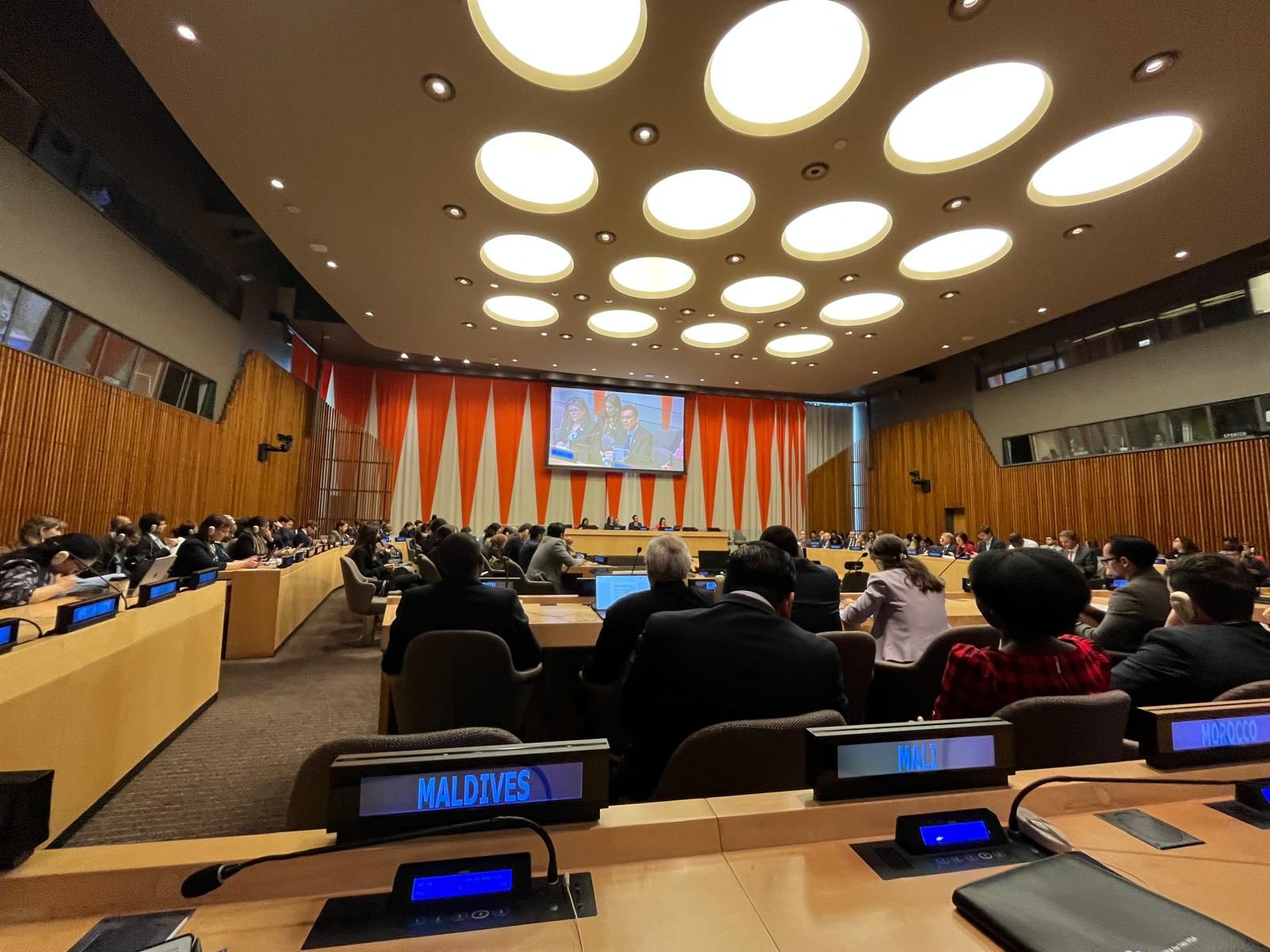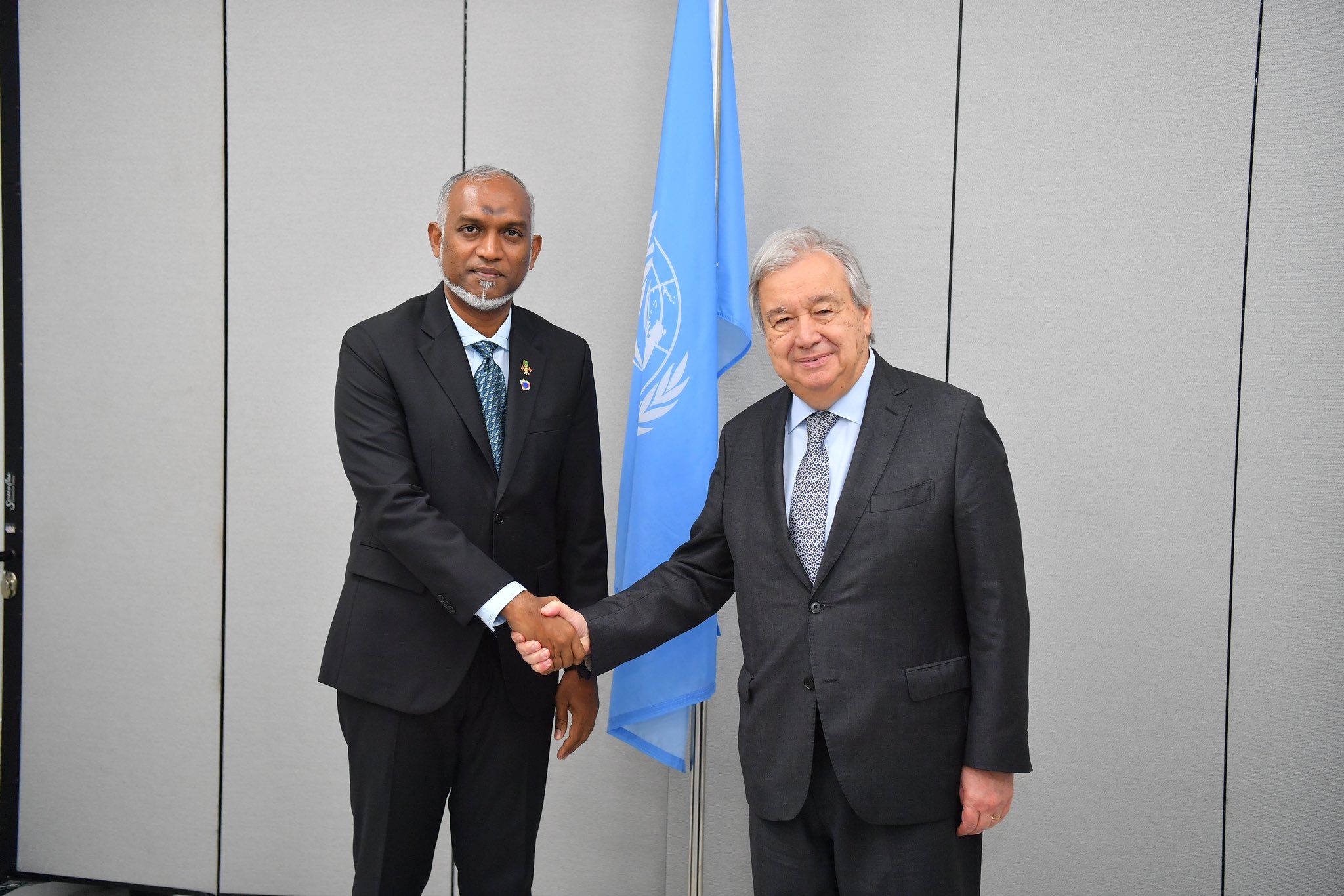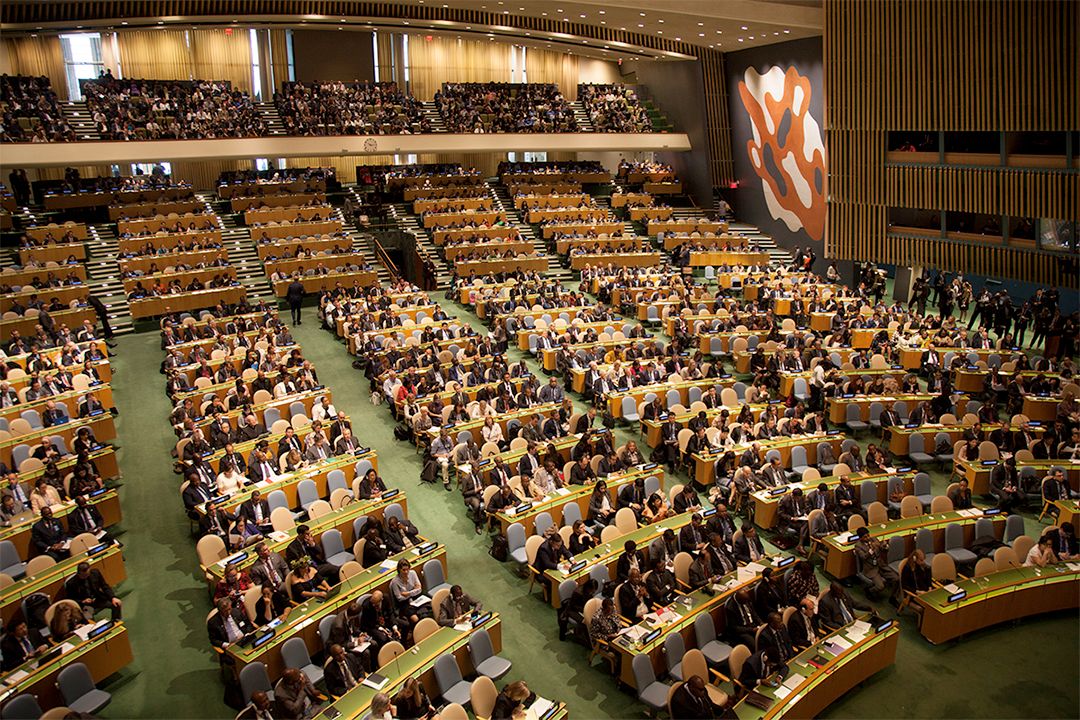

NEW YORK: As world leaders gather at United Nations headquarters in New York for the 81st session of the UN General Assembly, one of the most fundamental questions facing the organisation is also one of its most difficult: Can the United Nations actually stop wars?
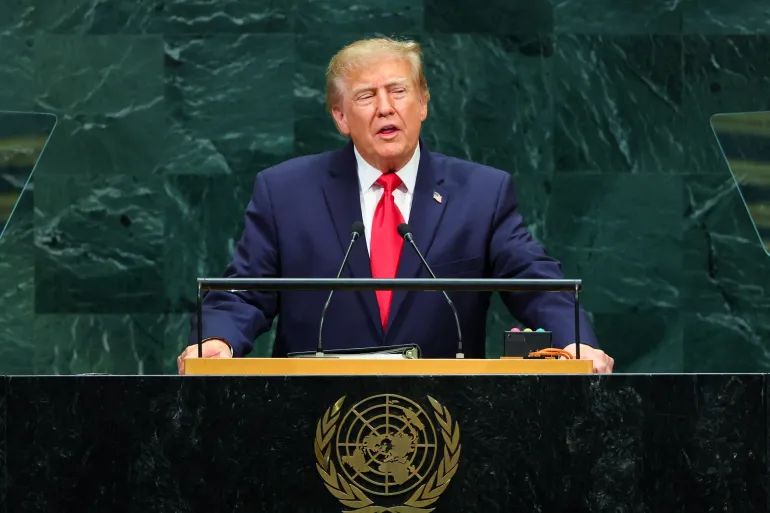
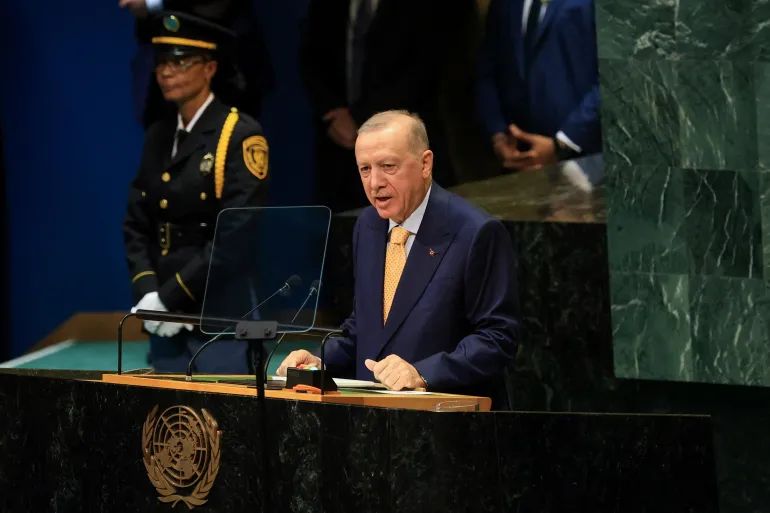
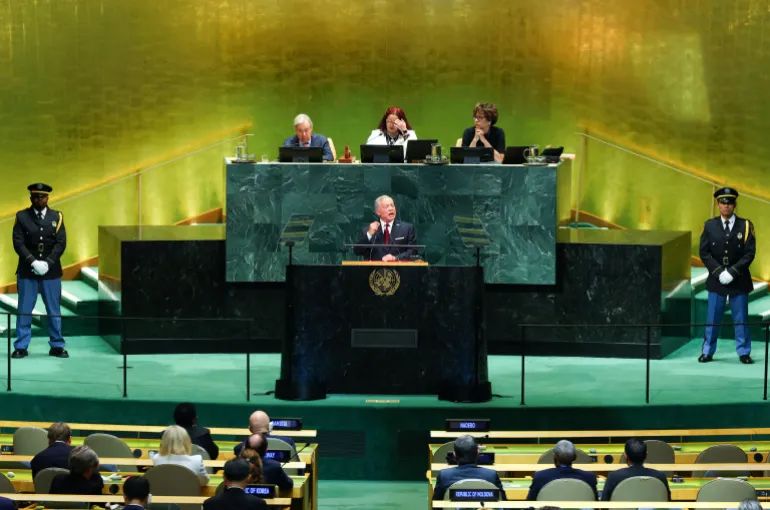
The question comes as conflicts and humanitarian crises continue to dominate international diplomacy. The General Assembly’s high-level debate begins on September 22 and runs through September 26, with an additional sitting on September 28. Nearly 130 heads of state and government are expected to attend the high-level week.
This year's session is being led by Bangladesh’s Khalilur Rahman, who became president of the 81st General Assembly. The official theme is “Restoring Trust, Managing Transformation: A United Nations That Delivers for All.”
But for people living through conflict, the question of whether the UN is delivering is not simply a matter of diplomatic speeches. It is measured in ceasefires, humanitarian assistance, displaced families, missing relatives and whether violence actually stops.
Al Jazeera has asked people in Bangladesh, Gaza and Nigeria how they view the UN's role in resolving conflicts. Their responses reflect a broader debate over the organisation: some see the UN as an essential forum for mediation and international cooperation, while others question whether it has enough authority to act when powerful countries disagree.
A powerful institution, but with limits
The UN was created after the Second World War with the objective of preventing another global catastrophe and maintaining international peace and security.
Its system, however, was designed around cooperation between sovereign states. The organisation does not operate as a world government with an independent military capable of simply ordering countries to stop fighting.
The UN Security Council has the primary responsibility for international peace and security. It can call for negotiations, conduct investigations, appoint envoys, establish peacekeeping operations and, in certain circumstances, impose sanctions or authorise the use of force.
The problem is that the Council itself is dependent on agreement among its members.
The 15-member Security Council includes five permanent members, China, France, Russia, the United Kingdom and the United States — each with veto power. A veto by any one of those five can prevent a substantive resolution from being adopted even when a majority of Council members support it.
That structure can turn international diplomacy into a struggle between competing national interests.
The General Assembly: a global voice, but different powers
The General Assembly is much broader.
All 193 UN member states are represented, with each country having one vote. It is the organisation's principal deliberative and policymaking body and provides a forum where governments can debate international crises and adopt resolutions.
But there is an important distinction between the General Assembly and the Security Council.
While the Assembly can express the collective position of the membership and exert diplomatic and political pressure, most of its resolutions are recommendations rather than binding orders on states.
The Security Council, by contrast, has the authority under the UN Charter to adopt decisions that member states are obligated to carry out.
That difference is central to the question being asked in New York this week.
A large majority of countries can agree that a war should end, but the Assembly does not necessarily possess the mechanism to make the parties stop fighting.
Gaza and the test of international diplomacy
Few conflicts have placed this problem under greater scrutiny than Gaza.
The Palestinian question has been before the UN for decades. The Security Council has previously adopted resolutions concerning ceasefires, peacekeeping, negotiations and the broader Israeli-Palestinian conflict.
Yet the Gaza conflict has also demonstrated how difficult collective action can become when major powers disagree.
UN documentation has recorded instances in which proposed Security Council action concerning Gaza was blocked by vetoes. The Council's own explainer notes that since the beginning of the Gaza war in October 2023, draft resolutions have faced negotiations, failed votes and vetoes by permanent members.
This has contributed to a wider debate about whether the international system can respond effectively when the interests of powerful states collide.
For civilians, however, diplomatic deadlock has consequences far beyond the walls of the Security Council chamber.
The question is not simply whether diplomats can agree on language. It is whether diplomatic decisions translate into protection for civilians, humanitarian access and an end to fighting.
Bangladesh: diplomacy from the perspective of a country shaped by conflict
Bangladesh has particular historical reasons to view international diplomacy through the lens of conflict and displacement.
The country emerged from a devastating war in 1971 and has subsequently become one of the world's major humanitarian actors, including through its longstanding participation in UN peacekeeping operations.
The fact that a Bangladeshi diplomat now presides over the UN General Assembly gives the country an unusually prominent role during the 81st session.
President Khalilur Rahman has placed restoring trust in the UN at the centre of his presidency. The UN says the session comes at a time of war, humanitarian crises and growing pressure on the multilateral system.
For Bangladesh and other countries outside the major-power blocs, the UN can provide something that individual states cannot easily provide: a platform where smaller and developing countries can participate in global diplomacy on formally equal terms in the General Assembly.
But participation is not the same as power.
The Security Council's permanent-member structure means that the ability to turn international consensus into binding action remains concentrated among a small number of states.
Gaza: when diplomacy is measured against life on the ground
In Gaza, the UN's role is experienced in a fundamentally different way.
International organisations operate on the ground providing humanitarian assistance, documenting conditions and supporting civilians. At the diplomatic level, UN agencies and officials repeatedly engage with governments and other actors over humanitarian access and civilian protection.
But humanitarian work cannot by itself resolve the political causes of a conflict.
That distinction is important.
The UN can deliver aid, facilitate negotiations and provide a diplomatic forum. But a durable political settlement ultimately requires decisions by the parties to the conflict and the states capable of influencing them.
In other words, the UN can create mechanisms for peace, but it cannot manufacture political will where governments or armed groups refuse to compromise.
Nigeria and the wider African experience
Nigeria brings another perspective to the debate.
Africa has experienced numerous conflicts in which international organisations, regional bodies and national governments have had to work together.
The UN's approach to peace and security is not limited to sending peacekeepers. Depending on circumstances, it can involve mediation, political missions, sanctions, humanitarian coordination and support for peace processes.
The Security Council itself says that decisions on peace operations are made case by case and depend on factors including whether there is a ceasefire, whether the parties are committed to a political process and whether peacekeepers can operate safely.
That means a UN peacekeeping operation is generally not an automatic response to war.
It requires political agreement, a mandate and cooperation from states and conflict parties.
So, can the UN stop wars?
The answer depends on what is meant by “stop.”
If it means ordering two countries or armed groups to immediately cease fighting regardless of their wishes, the UN does not possess unlimited authority to do that.
If it means creating a diplomatic framework in which conflicting parties can negotiate, imposing international pressure, authorising peacekeeping missions, coordinating humanitarian assistance and establishing internationally recognised rules and obligations, the UN has much greater capacity.
The organisation's own institutional structure reflects this reality.
The Security Council can impose sanctions and, in certain circumstances, authorise collective military action. It can establish peacekeeping missions and adopt decisions binding on member states.
But these powers depend heavily on the political willingness of member states — particularly the permanent members of the Security Council.
A crisis of trust
That is why the theme of the 81st General Assembly, restoring trust, is significant.
The UN itself acknowledges that the current session is taking place amid geopolitical tensions and pressure on the multilateral system.
For supporters of the organisation, the answer is to strengthen international cooperation and make the existing institutions work more effectively.
For critics, repeated failures to stop wars demonstrate structural weaknesses that cannot be solved simply through more meetings and resolutions.
Those competing views are likely to be visible throughout this year's General Assembly.
World leaders will deliver speeches. Governments will negotiate resolutions. Diplomats will hold private meetings. Civil society groups will demand action.
But outside the UN headquarters, people living through conflict will ultimately judge the organisation by a much simpler measure:
Did the violence stop?
The 81st General Assembly cannot answer that question through speeches alone. Its ability to influence wars will depend on whether the governments represented inside the chamber are willing to translate diplomatic consensus into concrete action.
For the people of Bangladesh, Gaza, Nigeria and conflict-affected communities around the world, that distinction between talking about peace and actually achieving it remains the central test of the United Nations.



.jpeg?w=3840&q=75)