
Sri Lanka’s High Court has convicted 15 of the 24 men tried over the 2019 Easter Sunday bombings, which killed 279 people, including 45 foreign nationals, and injured more than 500 others.
The verdict was delivered on Tuesday, September 22, following a five-year trial before a three-judge High Court bench.
Fourteen defendants were found guilty on all charges, including murder, conspiracy to commit terrorism, and offences involving firearms and explosives under Sri Lanka’s Prevention of Terrorism Act. A 15th defendant was convicted on some of the charges, while nine others were acquitted.
Twenty-five men had originally been charged in the case, but one defendant died while in custody. All of those tried in the case are members of Sri Lanka’s minority Muslim community.
Among those convicted on all charges was Mohamed Naufar, whom prosecutors described as the alleged ringleader who provided support to the eight-member group that carried out the attacks.
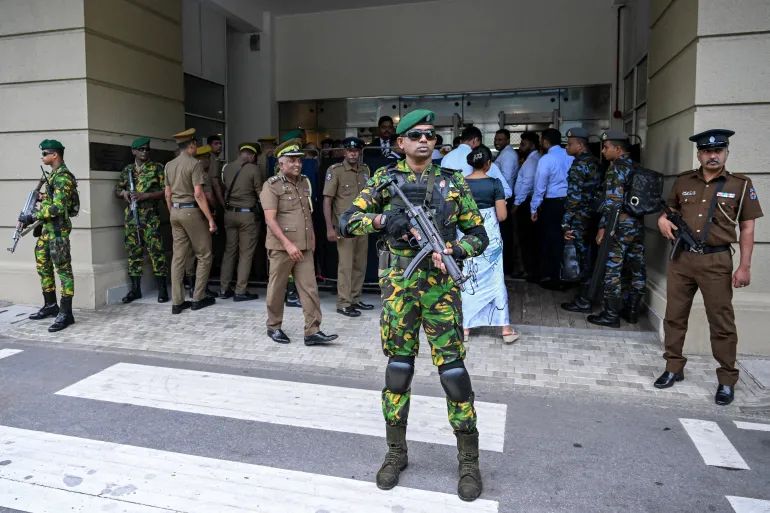
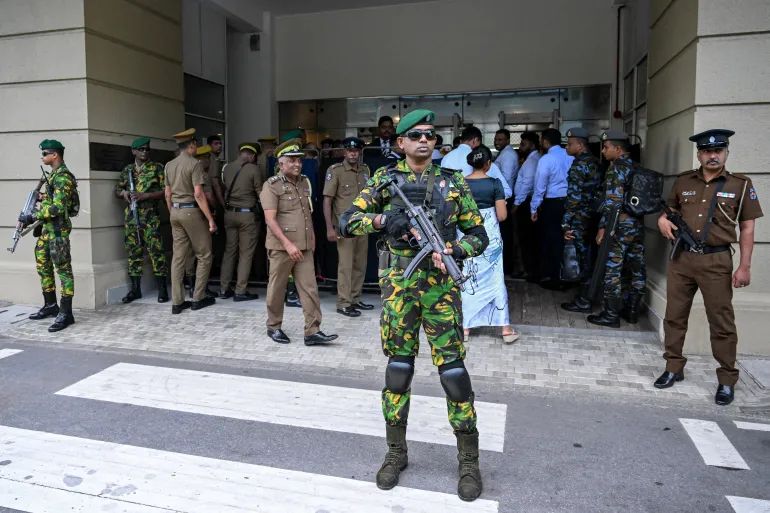
The court announced that sentences would be handed down later on Tuesday. Heavy security was deployed around the courthouse, with dozens of police commandos present as the verdicts were read.
Attacks targeted churches and luxury hotels
The Easter Sunday attacks took place on April 21, 2019, when coordinated suicide bombings struck three luxury hotels and three churches in Sri Lanka.
The churches included two Catholic churches and one Protestant church. The attacks occurred as Christians gathered for Easter celebrations, while the hotels were also targeted during the morning period.
The bombings became one of the deadliest acts of terrorism in Sri Lanka since the country’s decades-long civil war ended in 2009.
Two Sri Lanka-based armed groups were accused of involvement in planning and carrying out the attacks.
Intelligence warnings and failures
The attacks also triggered major scrutiny of Sri Lanka’s security and intelligence agencies.
A parliamentary investigation found that police and intelligence officials had received repeated warnings about the possibility of attacks but failed to take adequate action before the bombings.
The issue of whether authorities could have prevented the attacks has remained central to the long-running search for accountability.
In July 2026, a former police chief and a former senior Defence Ministry official were sentenced to death after being found responsible for failing to respond promptly to foreign intelligence warnings about possible attacks.
Catholic Church welcomes convictions
Sri Lanka’s Roman Catholic Church welcomed Tuesday’s convictions.
Catholic priest Jude Fernando told AFP: “Finally, we have justice,” while noting that it had taken years to reach the verdict.
Survivors and relatives of those killed have repeatedly demanded accountability not only for those who carried out the bombings but also for officials who may have failed to prevent them.
Teresa Fernando, a survivor who suffered head injuries in the attacks, said victims had come to the court seeking justice.
“We came here today as victims of this attack to receive justice,” she said, adding that the victims would accept the court’s decision.
Questions over a wider conspiracy remain
Despite the convictions, questions surrounding the full circumstances of the Easter bombings have not been completely settled.
Sri Lanka’s Catholic Church has previously argued that those identified and prosecuted as perpetrators may not represent the entire conspiracy behind the attacks. The church has alleged that other actors may have been involved, although it has not publicly provided evidence establishing such a wider conspiracy.
The convictions therefore represent a significant judicial development, but the broader questions surrounding the planning of the attacks, intelligence failures and possible networks behind them remain part of Sri Lanka’s continuing debate over accountability.
The attacks killed hundreds of people and profoundly affected Sri Lanka’s Christian community, tourism industry and national security policy. The latest verdicts mark another major step in the country's years-long legal response to the Easter Sunday tragedy.