.jpeg?w=3840&q=75)

-
The United Nations has raised strong concerns over the recently ratified Maldives Media and Broadcasting Act, warning that it violates international treaties to which the Maldives is a signatory and could severely restrict media freedom and freedom of expression in the country.
President Dr. Mohamed Muizzu ratified the controversial act earlier this month, drawing heavy criticism at home and abroad. The legislation, passed on 18 September 2025 amid public protests, has already triggered appeals from Maldivian journalists to international organizations for urgent intervention.
UN Human Rights Office spokesperson Ravina Shamdasani stated that unless the law is withdrawn, it “will seriously undermine media freedom and the right to freedom of expression for the people of the Maldives.” She emphasized that the new law follows “a worrying erosion of institutional checks and balances in the past year,” adding that a free and diverse media is fundamental to democracy.
A major concern is the creation of the Maldives Media and Broadcasting Commission (MMBC), empowered to investigate reporters, impose fines, and revoke media licenses — a move journalists fear could be used to suppress dissent.
The UN also pointed out that the act appears to breach the International Covenant on Civil and Political Rights (ICCPR), to which the Maldives is bound, citing provisions that grant broad powers of interpretation to regulators:
- Article 39 and Regulatory Interpretation: Mandates media to safeguard “national security” — a directive critics warn is too broad and open to abuse.
- Code of Conduct Provisions: Requirements to respect freedoms and prevent misinformation are considered overly vague, raising fears that authorities could manipulate them to silence critical voices.
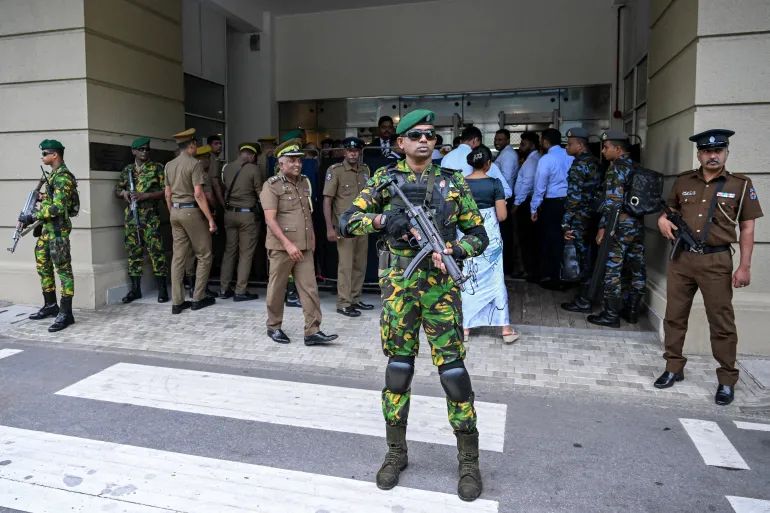
Despite widespread protests by journalists outside Parliament on 16 September, along with repeated warnings from both local and international organizations, the law was passed and ratified.
The UN has urged the Maldives government to reconsider and withdraw the law, stressing that its enforcement could have grave consequences for press freedom and democratic governance in the island nation.