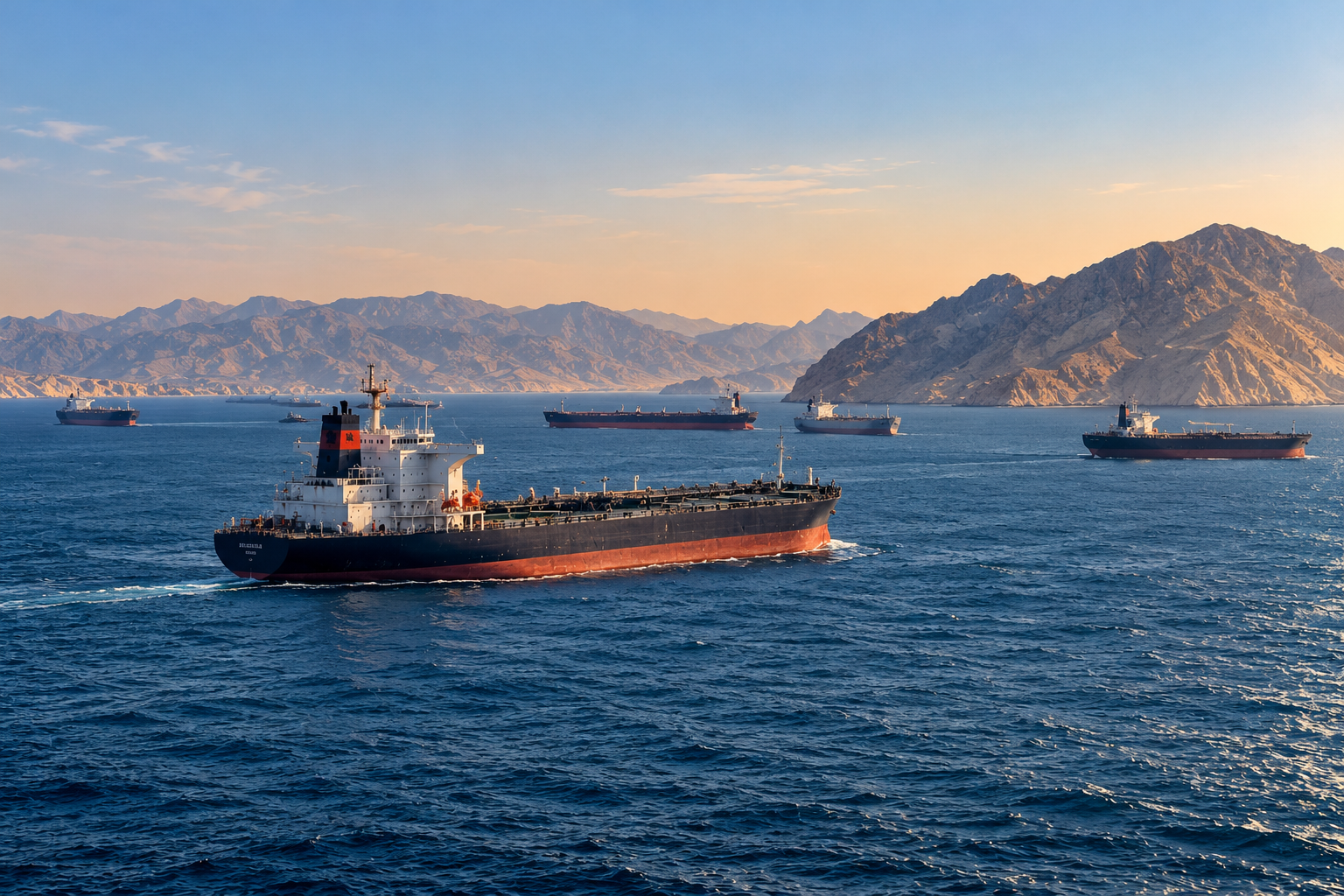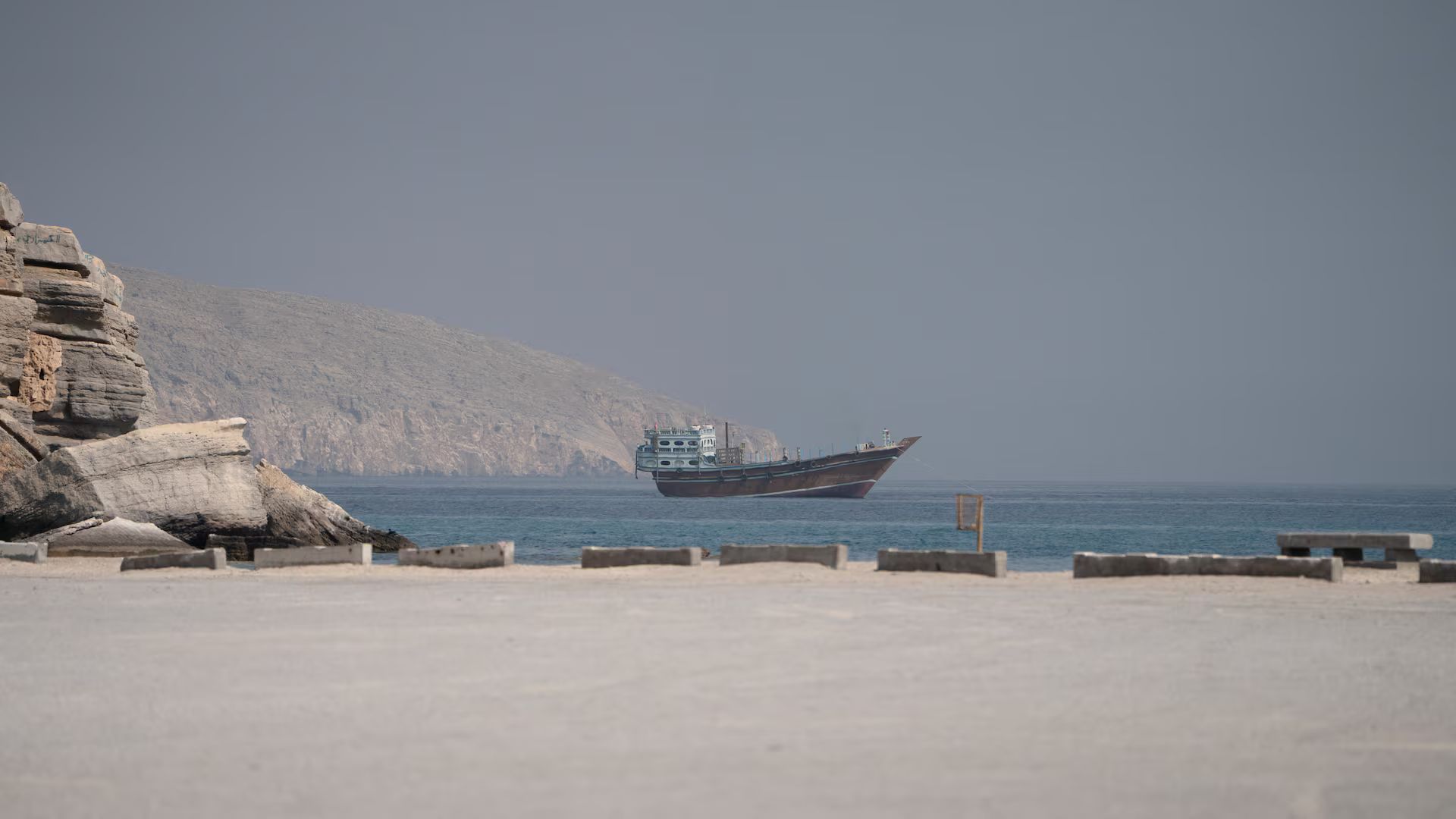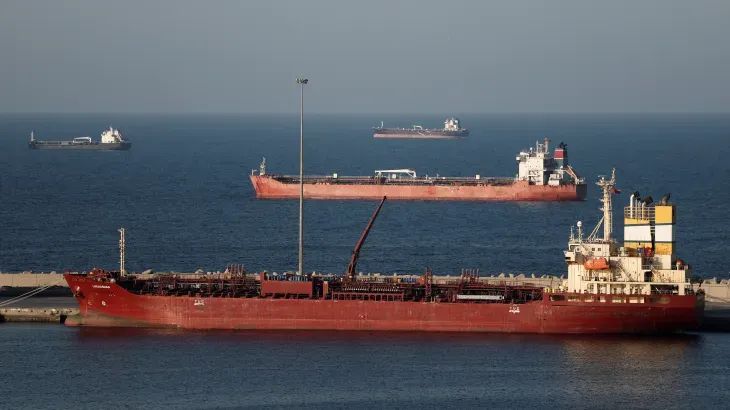

Iran’s Islamic Revolutionary Guard Corps (IRGC) has declared the Strait of Hormuz closed to maritime traffic amid escalating attacks on commercial vessels in the Gulf, raising further concerns over the security of one of the world’s most important oil shipping routes.
According to reports published on Saturday, the IRGC warned that vessels attempting to pass through the strait in violation of Iranian restrictions would face serious consequences. The announcement followed Iranian claims that a supertanker carrying more than two million barrels of crude oil had struck a naval mine and caught fire. The circumstances of the incident and the vessel’s identity had not been independently confirmed.
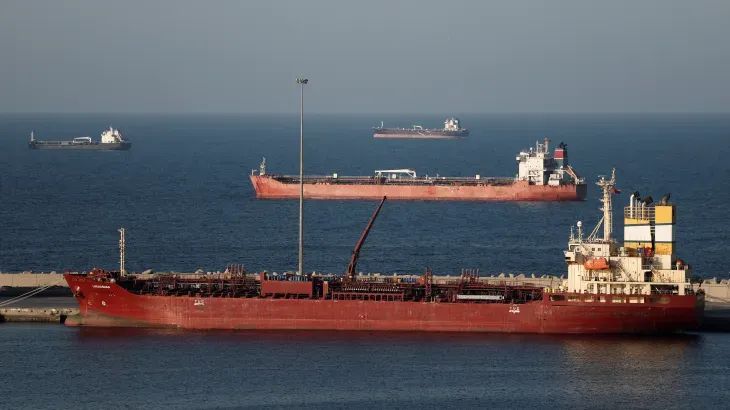
Separately, the United Kingdom Maritime Trade Operations (UKMTO) reported two attacks involving tankers off Saudi Arabia’s Jubail coast on Friday. Reports indicated that one vessel was targeted by a rocket-propelled grenade fired from a small boat, while another was struck by an unidentified projectile. The attackers were not identified in the reported alerts.
The latest incidents add to a growing number of attacks on commercial shipping since the conflict involving Iran, the United States and Israel began in February 2026.
Strategic shipping route under pressure
The Strait of Hormuz connects the Persian Gulf with the Gulf of Oman and the Arabian Sea. Before the conflict, approximately one-fifth of global oil consumption passed through the narrow waterway, making its security critical to international energy markets.
Iran’s restrictions and attacks on vessels have significantly disrupted maritime traffic, with shipping companies facing heightened security risks and uncertainty over safe passage.
The escalating situation has also contributed to rising oil prices. Brent crude settled at $109.86 a barrel on Friday, 16 October, after climbing to $110 earlier in the session, according to the Financial Times.
Wider regional implications
The developments come as Washington maintains pressure on Tehran through a naval blockade and sanctions, while diplomatic efforts to end the conflict remain ongoing.
Any prolonged disruption to the Strait of Hormuz could affect global oil supplies, shipping costs and energy prices, with potential consequences for countries dependent on imported fuel.
The situation remains fluid, and the details of the latest maritime incidents, including responsibility for the attacks and the extent of any closure, require continued independent verification.