
Man Arrested After Malé Resident Begins Hunger Strike Over Alleged Public Nuisance
# Maldives police serviceThe resident says he will continue his protest, citing concerns over repeated arrests and releases.
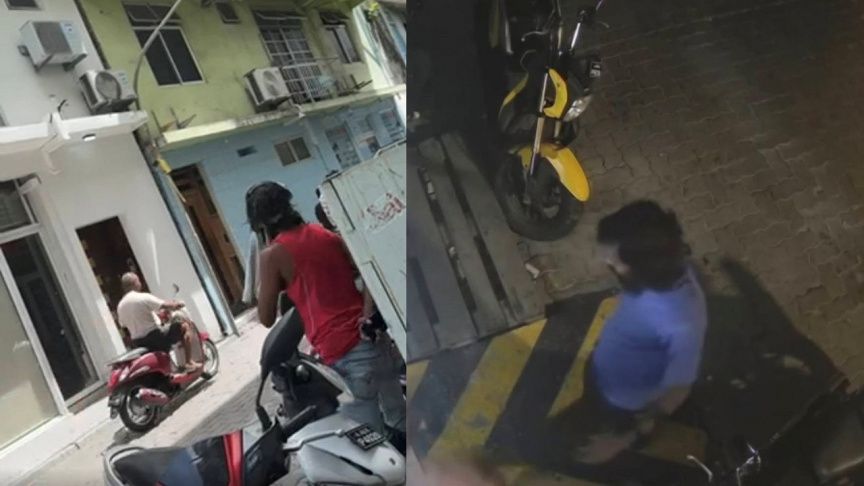
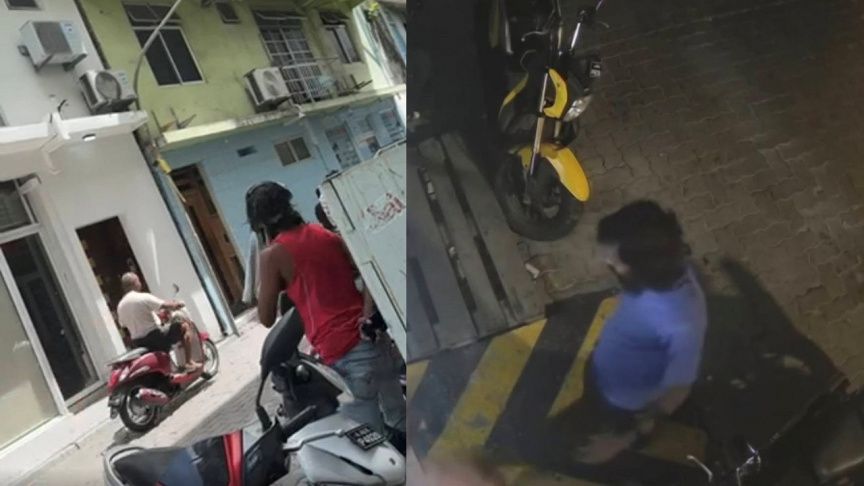
A man accused of repeatedly causing public disturbances in Malé was arrested on Saturday evening, approximately 10 hours after a city resident began a hunger strike outside Henveiru Police Station over what he described as a 1.5-year failure to resolve the matter.
Mohamed Saeed began the protest at 8:00 a.m., saying he had exhausted formal channels in seeking a lasting solution to disturbances allegedly affecting his family and other residents in the neighbourhood.
In a Facebook post, Saeed alleged that the individual had been causing persistent disruptions along Kashimaa Hingun and Dhoohimeri Magu for several years, despite repeated complaints to the authorities.
According to Saeed, the alleged incidents include shouting abusive language at pedestrians, obstructing roads with bicycles and traffic barriers, throwing rubbish at residential properties, and pouring oil and water from balconies onto people below.
He also alleged that the man had thrown plastic bottles at passers-by, made excessive noise from midnight until dawn, and entered residential buildings without permission.
Saeed said residents had repeatedly submitted complaints and evidence to the police but had yet to see a lasting resolution. He said the situation had left him with no option but to resort to a hunger strike to demand action.
Police confirmed that the accused had been arrested at around 6:30 p.m. on Saturday, according to Saeed, who spoke to Sun following the arrest.
However, Saeed said the arrest would not bring his protest to an end, arguing that previous arrests had been followed by the individual's release and a return to the alleged disruptive behaviour.
“My strike will not change. I will not stop,” Saeed said, reiterating that he would continue until a permanent solution was secured.
Responding to the allegations, police said the accused is related to Saeed and that action had been taken whenever complaints were lodged. Police also said the individual had recently been remanded in custody but allegedly resumed the behaviour after being released.
Authorities acknowledged receiving numerous complaints concerning the individual, while noting that a person could not be kept in custody indefinitely. Police added that they would review whether the individual had a recorded history of drug use.
Internationally Certified Addiction Professional and Global Master Trainer Ali Adeeb also weighed in on the case, highlighting what he described as broader shortcomings in the response to substance-use disorders.
Adeeb said people experiencing chronic addiction require individualised care and that a lack of appropriate treatment can contribute to behavioural problems affecting families and communities. He also pointed to gaps in enforcement, treatment services and coordination between institutions, calling for greater accountability in addressing such cases.
Saeed maintained that his primary concern was the safety of his family and other members of the public using the affected streets, whether on foot or by vehicle.
He said protecting residents and ensuring public safety were responsibilities of the relevant institutions, urging authorities to provide a lasting resolution rather than relying on repeated arrests.
The case has drawn attention to concerns about neighbourhood safety and the challenges of responding to recurring public nuisance complaints while addressing possible underlying health and social issues.