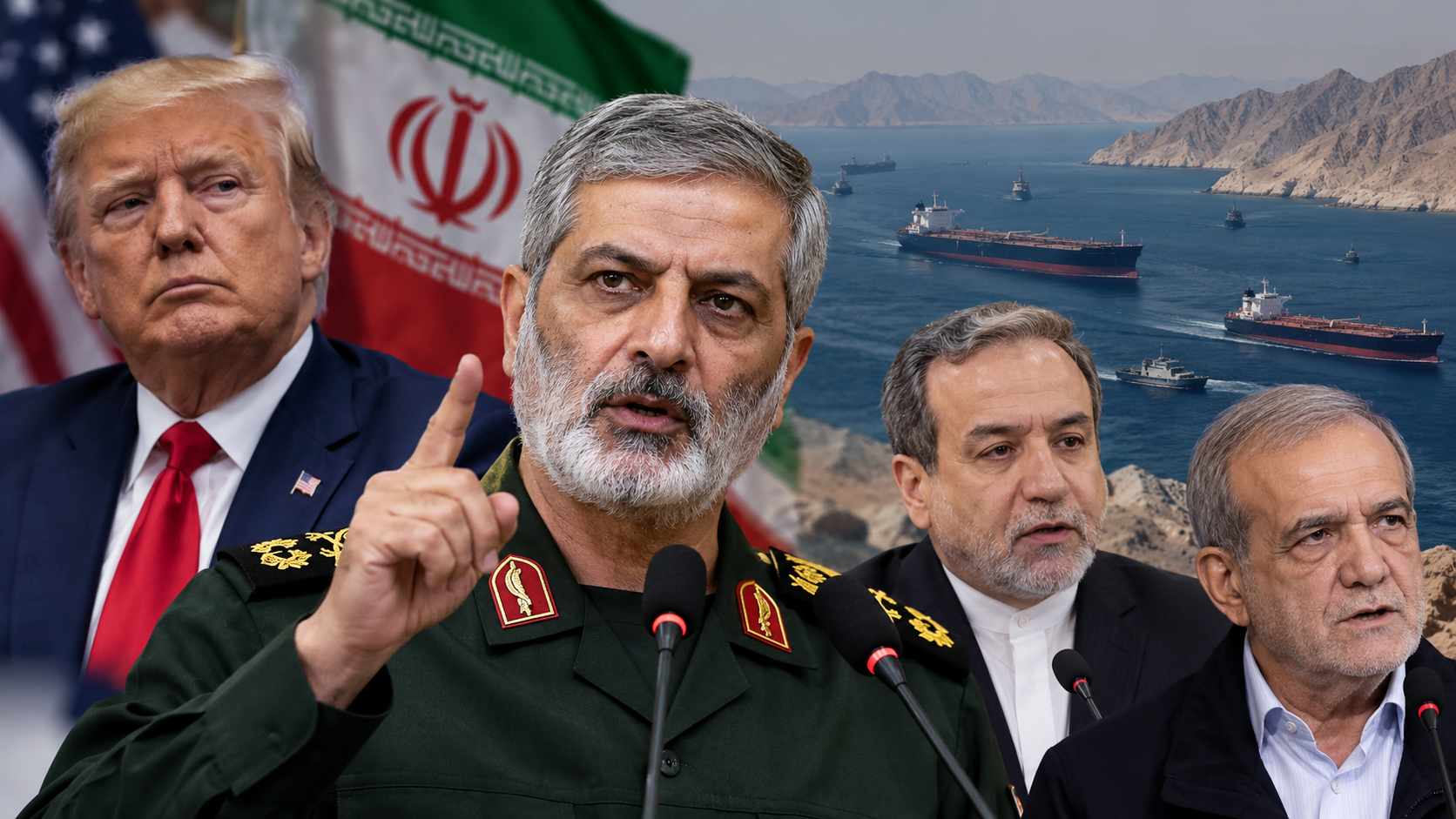

The United States is continuing to consider a proposal from Iran aimed at easing tensions and reopening the strategically important Strait of Hormuz, following mediation efforts involving Qatar.
Iranian Foreign Minister Abbas Araghchi said Qatari intermediaries had presented ideas to both sides and were expected to take the matter back to Washington before a formal US response is delivered. The proposal is understood to be part of wider diplomatic efforts to find a way out of the continuing confrontation between Tehran and Washington.
Under the proposal discussed by Iranian officials, Tehran has indicated that it could reopen the Strait of Hormuz within seven days if the United States takes steps to ease military pressure and lift its blockade. Iran has also linked the proposal to wider demands, including the release of frozen Iranian assets and an end to military operations connected to the conflict.
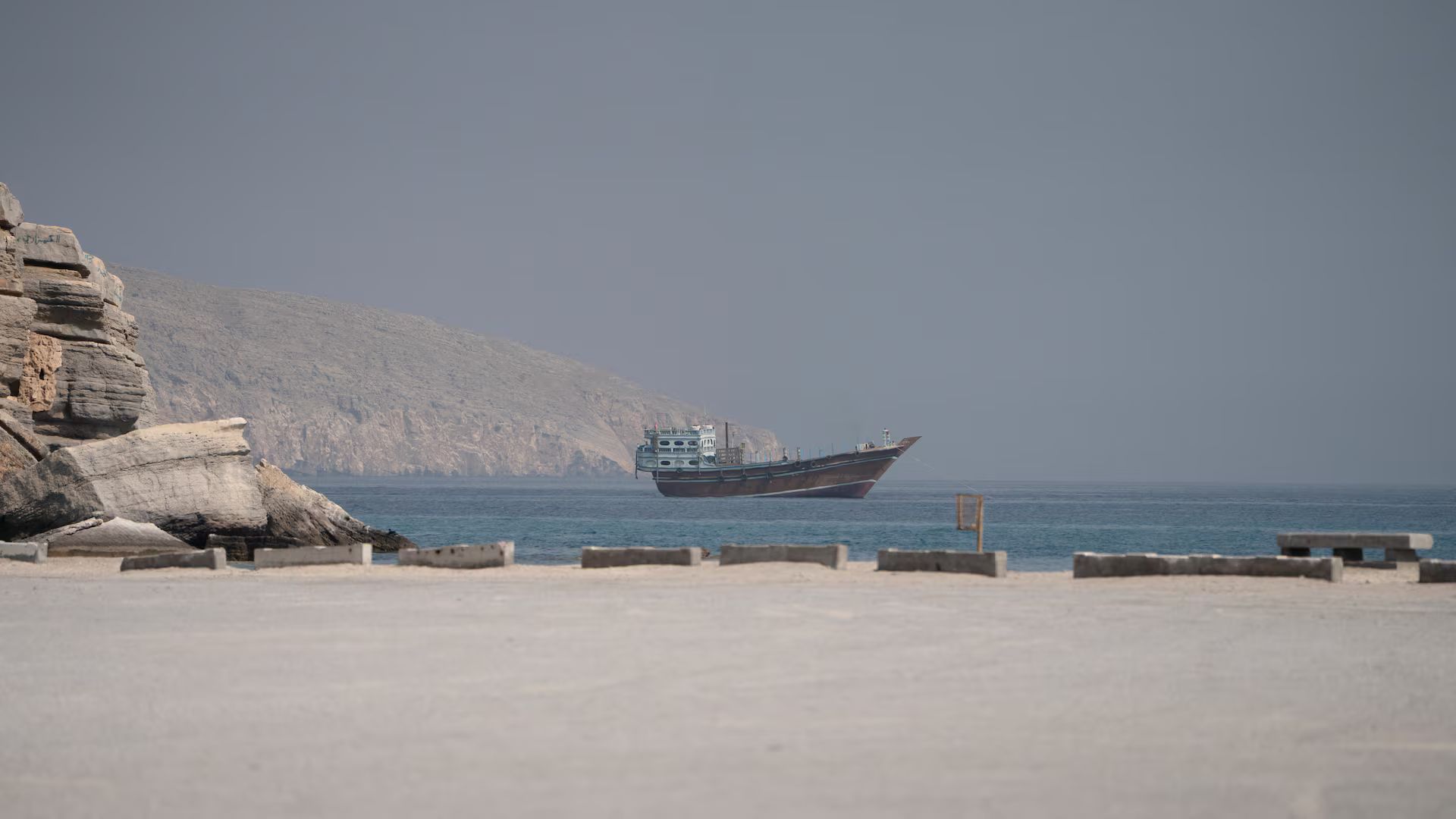
The Strait of Hormuz is a crucial international shipping route through which a significant share of the world's energy supplies passes. Any prolonged disruption has raised concerns over oil supplies, shipping and the wider economic impact of the conflict.
Qatar has played a role in carrying messages between the two sides as diplomatic efforts continue. Iranian officials have said that the Qatari intermediaries are expected to communicate further with Washington before Tehran receives the US position.
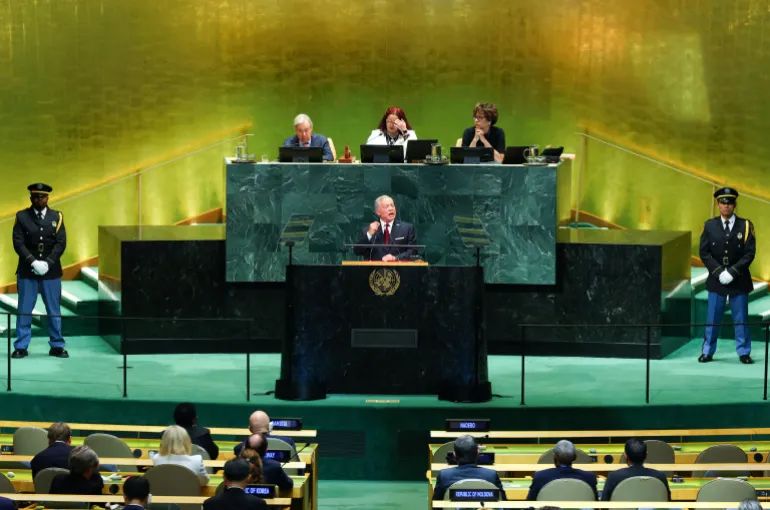
The latest developments follow indirect US-Iran talks involving mediators at the United Nations General Assembly in New York. While there have been differing accounts of the nature of the discussions, mediators have continued efforts to establish common ground between the two sides.
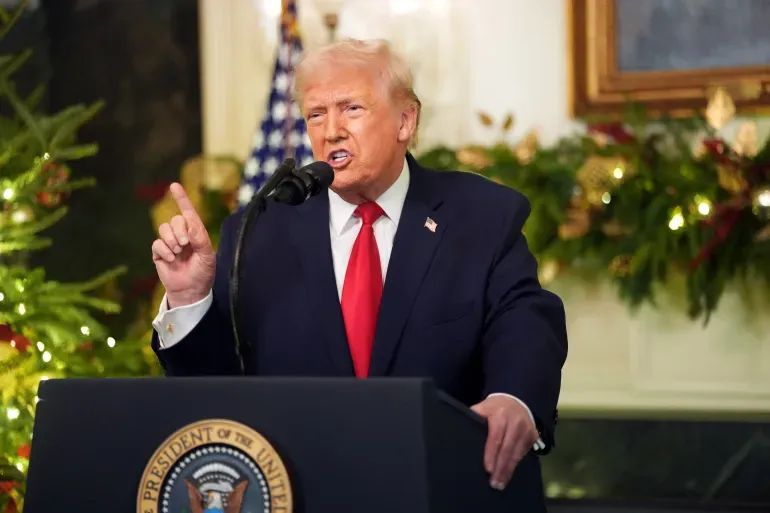
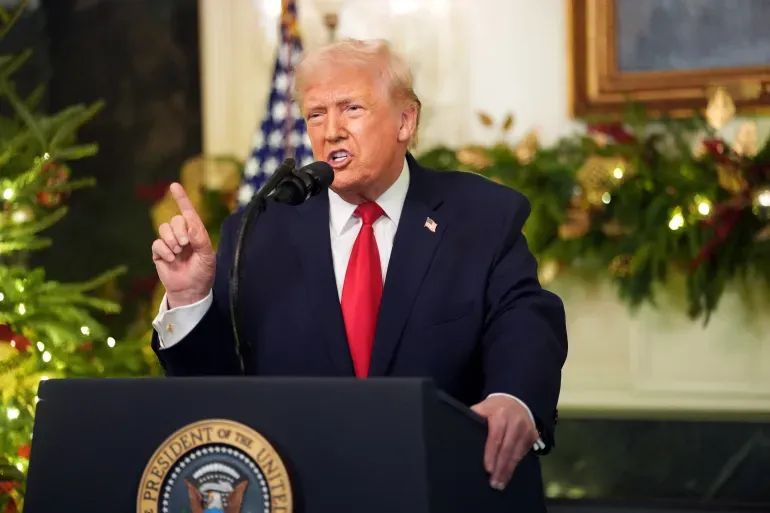
US President Donald Trump has publicly rejected some reports about possible concessions to Iran, while Iranian officials have maintained that negotiations remain the only way to resolve the current impasse.
For now, no final agreement has been announced. The proposal remains part of an ongoing diplomatic process, with Qatar expected to continue communicating between the two sides as Washington considers its response.
The situation remains fluid, and further developments are expected as the US position is formally conveyed to Tehran.