
Government Steps Up Efforts to Boost Local Farming and Reduce Dependence on Food Imports
# dhanduverikanThe government is expanding efforts to increase agricultural production in the Maldives, with new farming initiatives, financial assistance and training programmes aimed at reducing the country's heavy reliance on imported fruits and vegetables.
Most fruits and vegetables consumed in the Maldives are brought in from overseas, as local production remains limited to a relatively small range of crops. The government hopes to change this by encouraging farmers to grow more produce locally, particularly crops suited to the country's climate and growing conditions.
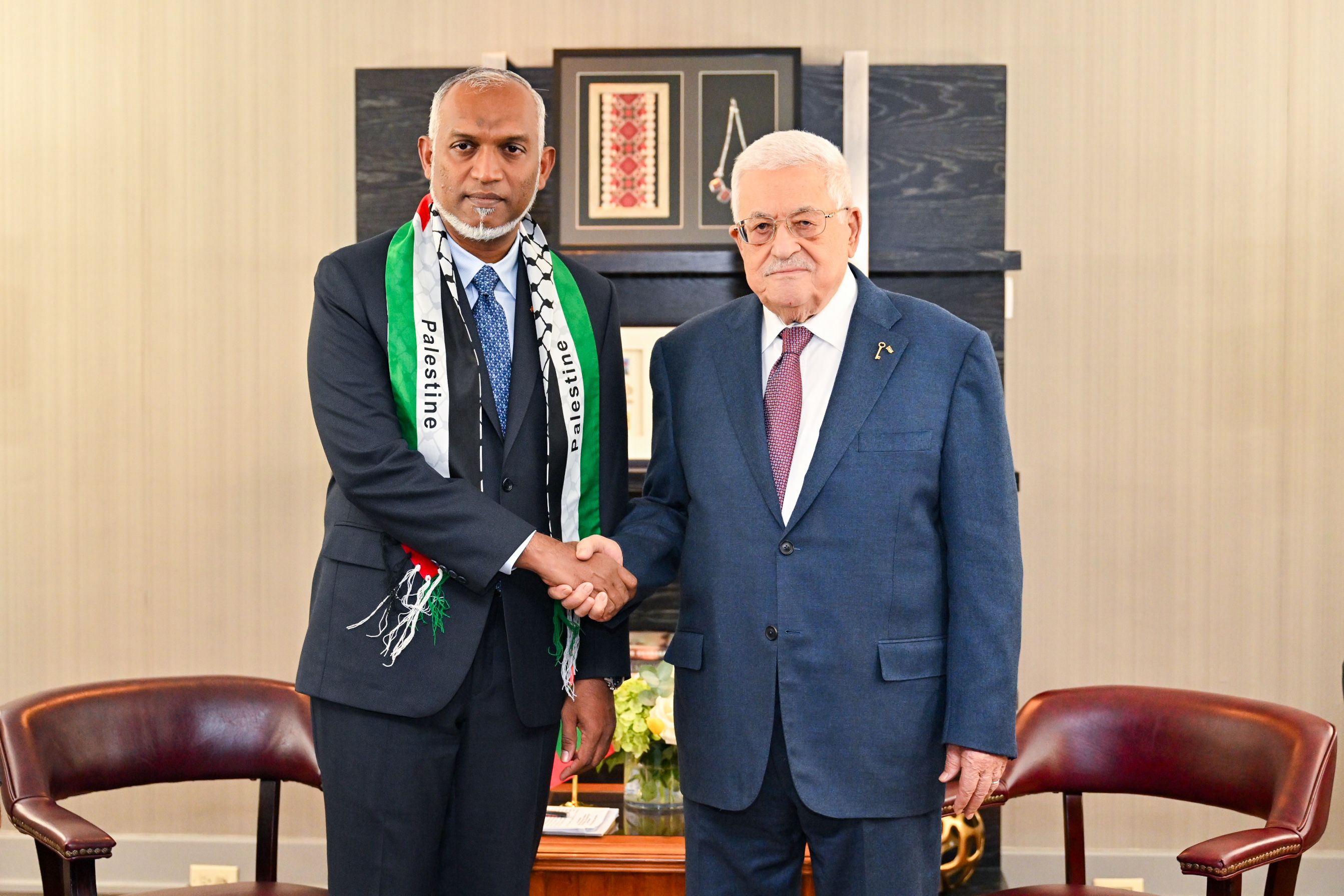
President Dr Mohamed Muizzu has identified food security as one of his administration's key priorities, stressing the need to strengthen domestic agriculture and reduce dependence on foreign suppliers.
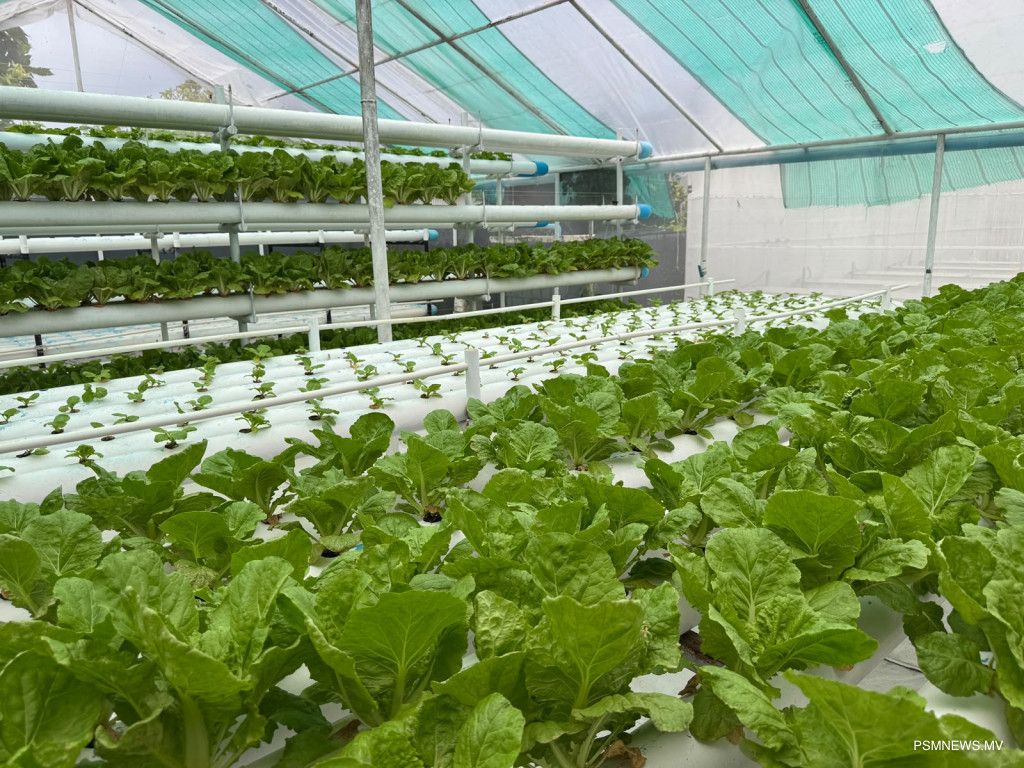
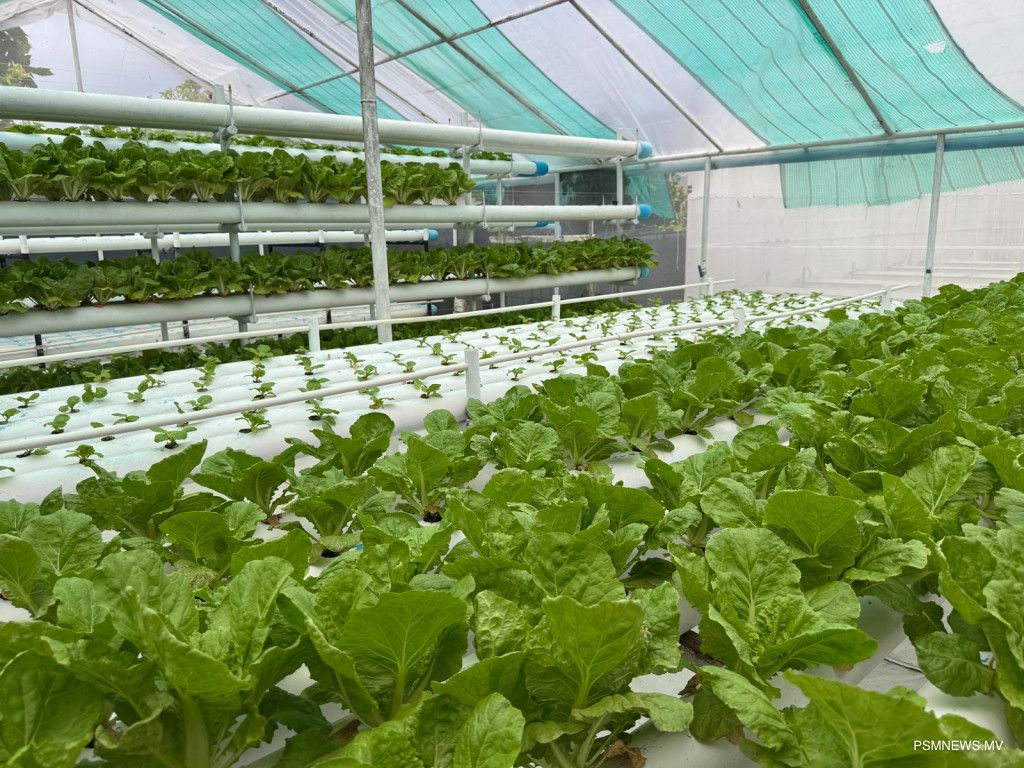
Several projects have been introduced to support this goal, including the establishment of model greenhouses on 12 islands across Haa Alif, Haa Dhaalu and Shaviyani Atolls. These facilities are intended to introduce farmers to improved cultivation methods and demonstrate how modern farming techniques can increase production.
Training has also been a major focus of the government's agricultural development efforts. So far, 1,062 farmers have received technical training through government programmes designed to improve farming skills and encourage the adoption of modern agricultural practices.
Meanwhile, five additional islands, including Kaafu Kaashidhoo, have been designated for agricultural development over the past four months. The move is part of a wider effort to expand farming activities across the country and create more opportunities for local producers.
Alongside infrastructure development and training, the government is providing financial support to individuals and businesses interested in entering or expanding their involvement in agriculture.
According to the Ministry of Agriculture, USD 1.06 million has already been disbursed to 29 recipients through the Farmer Profit Loan Programme.
The programme offers financing ranging from USD 32,426 to USD 129,702, allowing farmers and agricultural entrepreneurs to invest in equipment, technology and other resources needed to develop their operations.
Earlier this year, the government converted the loan programme to an Islamic financing model in an effort to make financial assistance more accessible to those working in the agricultural sector.
The scheme places particular emphasis on modern farming methods that can help overcome some of the challenges faced by agriculture in the Maldives, including limited land availability.
Eligible activities include urban farming, greenhouse cultivation, vertical and terrace gardening, poultry farming, small-scale livestock rearing, plant nurseries, agroforestry and projects that add value to agricultural products.
With limited land available for conventional farming and much of the country's food supply dependent on imports, increasing local agricultural production remains an important part of the government's food security plans.
The ongoing initiatives are expected to create more opportunities for farmers, encourage investment in modern agricultural technologies and help increase the availability of locally grown produce in the Maldivian market.