
President Muizzu Calls for Stronger Respect, National Pride and Preservation of Maldivian Values
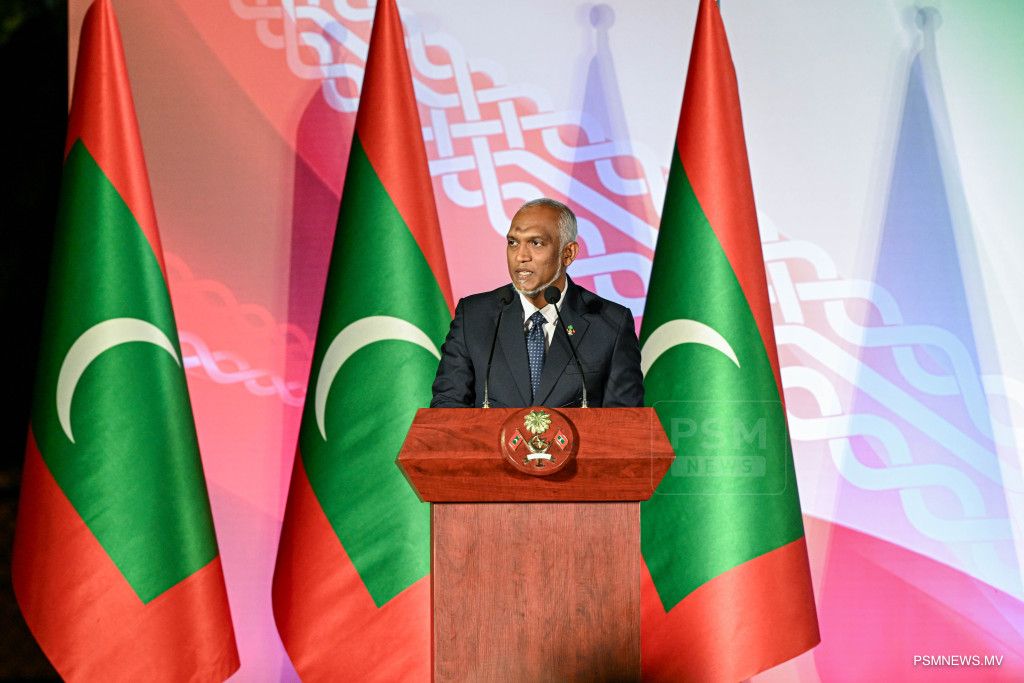
# Dr. Mohamed MuizzuPresident Dr Mohamed Muizzu has stressed the importance of building a Maldivian society that values human dignity, respects its traditions and takes pride in its national identity.
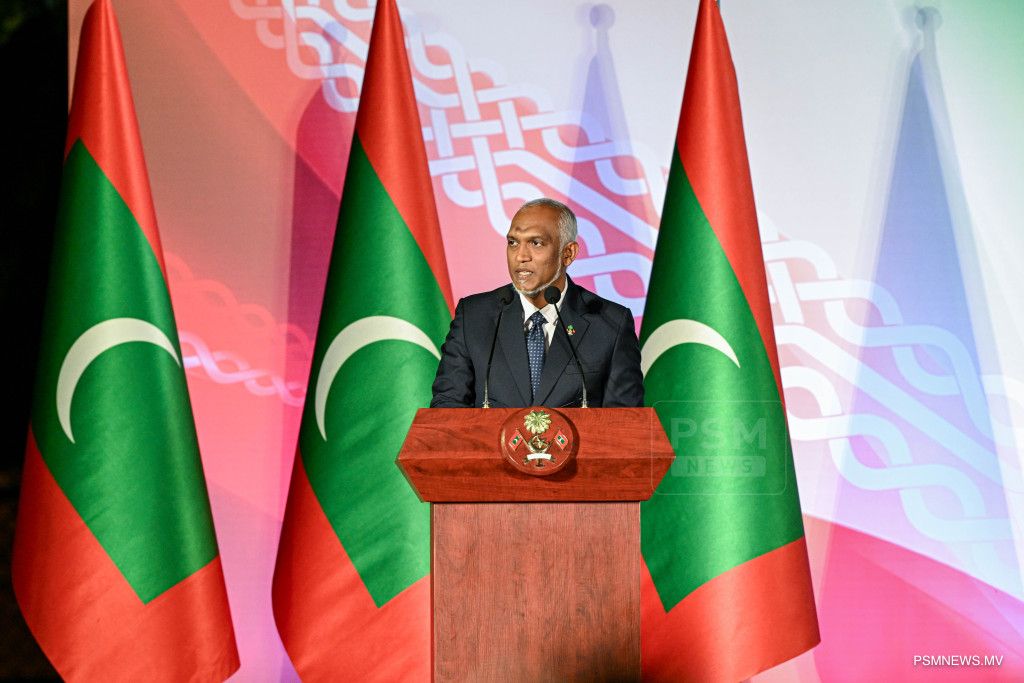
Speaking at the launch of the National Respect Initiative, President Muizzu said the campaign aims to bring back the culture of respect, kindness and consideration that has long been part of Maldivian society.
He said respect was once deeply rooted in everyday life, shaping how people treated their families, neighbours, friends and colleagues. These values, he noted, played an important role in maintaining strong communities and a sense of shared responsibility.
Referring to his inaugural address on 17 November 2023, President Muizzu reiterated his commitment to developing the country through two equally important approaches: state-building and nation-building.
He explained that national development should not be limited to constructing buildings, roads and other infrastructure. Equal attention must be given to shaping the attitudes, values and character of the Maldivian people.
According to the president, meaningful progress can only be achieved by nurturing a society guided by Islamic principles, where people respect one another, protect their cultural heritage and remain proud of their identity as Maldivians.
He reaffirmed that this vision remains a key priority of his administration.
President Muizzu also highlighted the importance of respect in Islam, noting that human beings have been given a special status by Almighty Allah. He said this should be reflected in the way people behave and treat others, both in their personal lives and in society.
He described mutual respect as one of the most important qualities of a civilised community, adding that a peaceful and united society depends on how individuals fulfil their responsibilities towards one another.
During his remarks, the president recalled a time when punctuality, discipline and dedication were widely practised across the Maldives.
He said government employees, community leaders and ordinary citizens once placed great importance on being on time and honouring their commitments.
As an example, he referred to historical government employment records showing that some civil servants had completed 50 years of service without arriving late for work even once.
Similar standards of discipline, he said, were also maintained by schoolchildren, while island communities were known for turning up promptly whenever residents were called upon to take part in communal work.
The president further reflected on the hospitality and generosity for which Maldivians were traditionally known.
He said visitors to the Maldives had documented the kindness and welcoming nature of its people, while strong relationships between neighbours helped keep island communities closely connected.
President Muizzu attributed these traditions to the influence of Islam, which he said has guided the values and behaviour of Maldivians for generations.
He emphasised that the teachings of the Holy Quran encourage people to treat one another with dignity and respect, describing these principles as essential to preserving the country's social harmony.
Through the National Respect Initiative, the government aims to encourage Maldivians to strengthen these values in their daily lives and ensure that respect, responsibility and national pride remain central to the country's future.