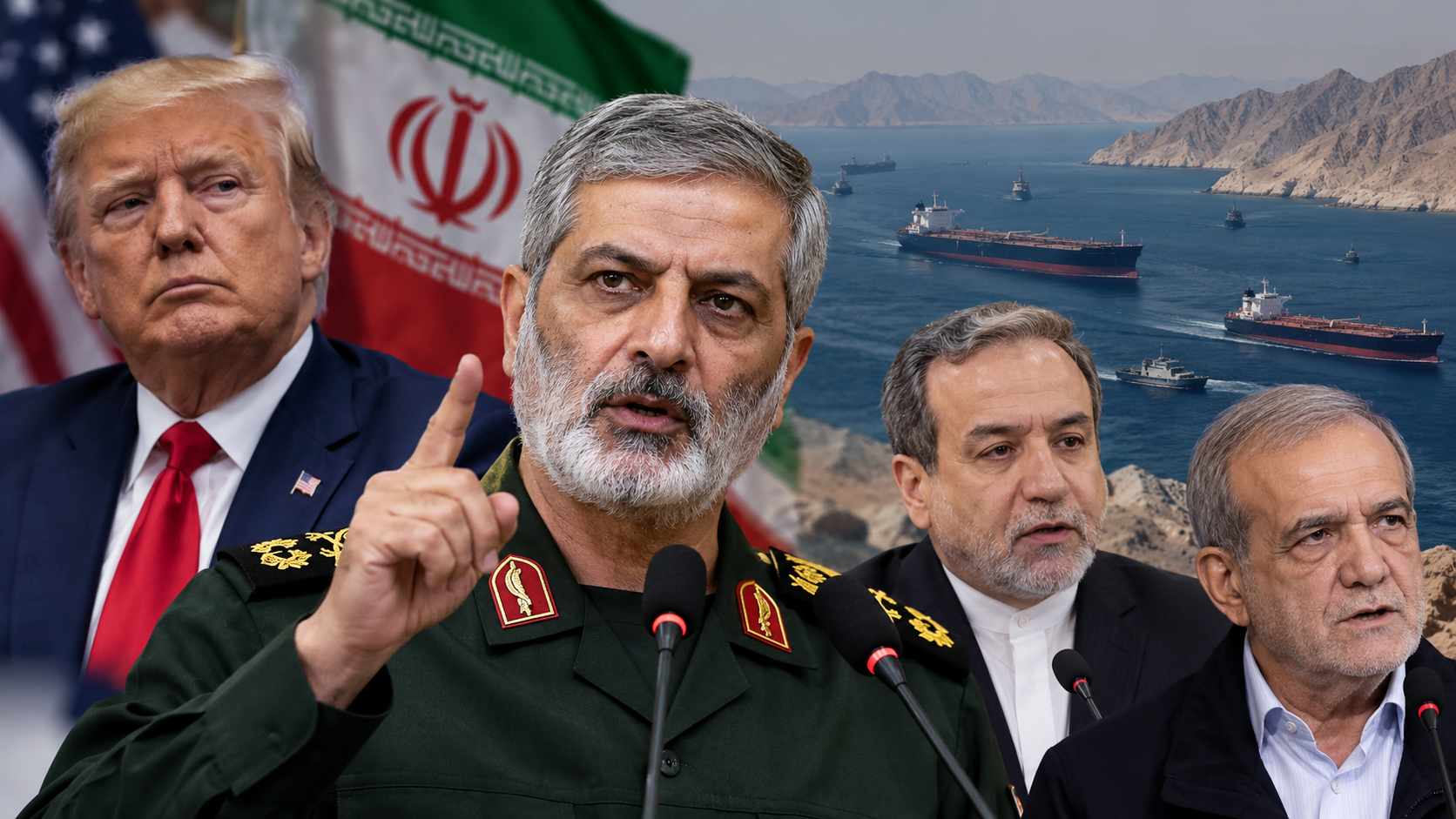

Iran’s Army chief, Major General Amir Hatami, has said the war with the United States is not over, while claiming that Iran has emerged victorious and must now consolidate what he described as its gains.
“The war is not over, we have won, but we must consolidate this victory,” Hatami said at a military ceremony on Sunday. He warned that Iran’s armed forces remain prepared for further military action if the conflict escalates.
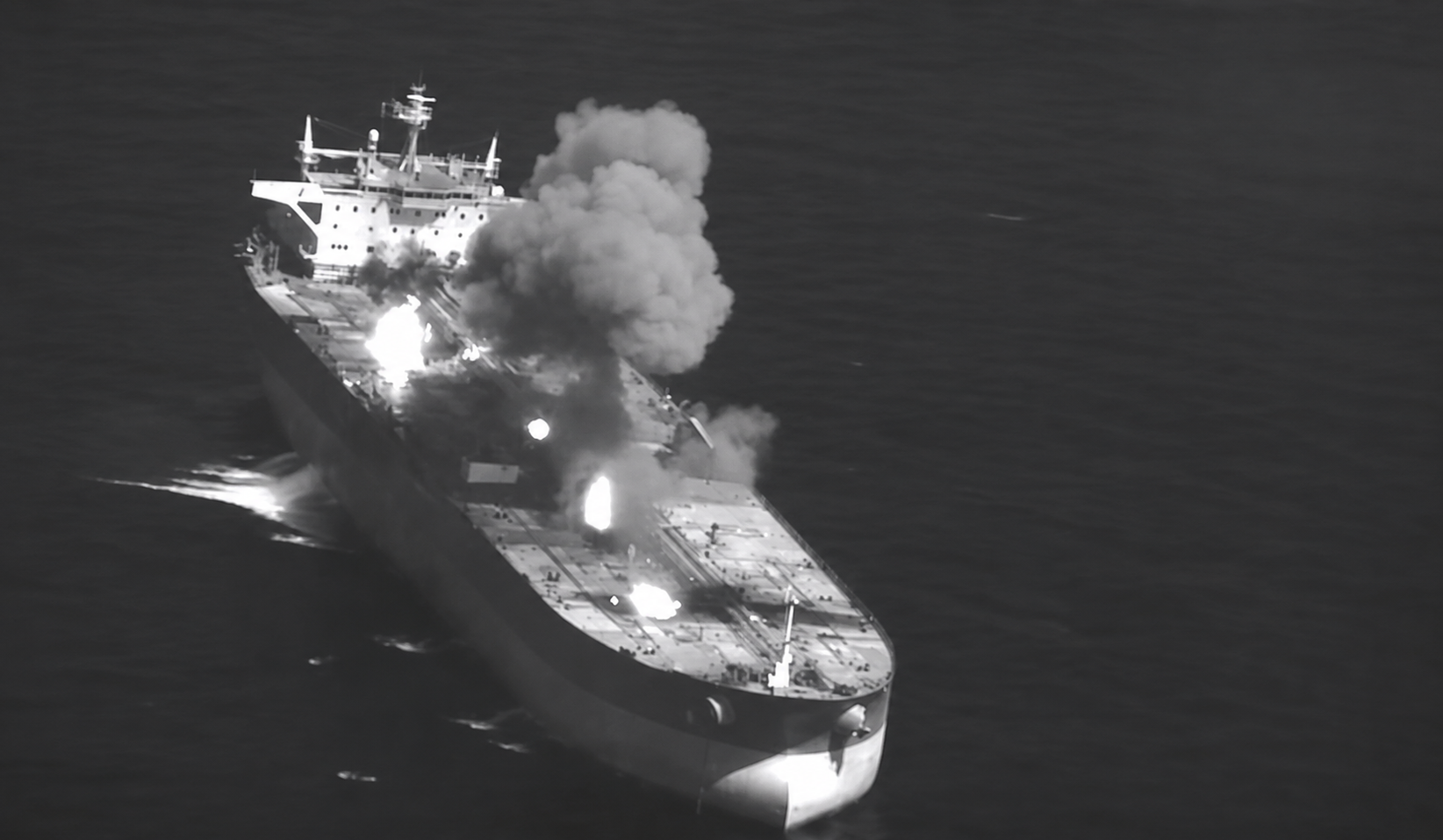
The comments come as the dispute over the Strait of Hormuz remains a central obstacle to efforts to end the conflict. Tehran has maintained that the waterway can be reopened once conditions involving US military and economic pressure are addressed.
Iranian Foreign Minister Abbas Araghchi said Tehran had submitted a seven-day roadmap through Qatar under which normal maritime traffic could resume if Washington met Iranian conditions. Those conditions reportedly include lifting the US naval blockade of Iranian ports, waiving sanctions on Iranian oil exports, releasing frozen Iranian assets and implementing a regional ceasefire.
Trump rejects Iran's proposal
US President Donald Trump has rejected the Iranian proposal, describing it as “unacceptable.” Trump said Tehran was seeking an agreement because, in his assessment, Iran was “losing so badly.”
Trump's rejection has left the proposed seven-day roadmap in limbo, with the two sides continuing to disagree over the conditions required to reopen the strategic waterway.
Araghchi has meanwhile said Iran will not back down from its conditions and that reopening Hormuz remains linked to a broader negotiated settlement.
Pezeshkian says Tehran does not trust Washington
Iranian President Masoud Pezeshkian has also said Tehran no longer trusts negotiations with Washington, arguing that previous rounds of talks were followed by attacks and sanctions.
“We have no trust in the American side and do not know on what basis an understanding can be reached with it,” Pezeshkian told Al Jazeera.
Pezeshkian said Qatar and Pakistan were conveying messages between Tehran and Washington and maintained that the crisis could ultimately be resolved through negotiations. He also rejected the characterization that Iran alone was responsible for closing Hormuz, describing the restrictions as a response to what Tehran says was the cutting of routes to Iran.
The Strait of Hormuz remains strategically important to global energy markets, with Al Jazeera reporting that roughly a fifth of the world's traded oil and gas passed through the waterway before the war.
With Washington rejecting Tehran's latest proposal and Iranian officials insisting they will not abandon their conditions, the future of the waterway, and the wider US-Iran conflict, remains uncertain.






-Getty-Images_CNT-UK_Sophie-Knight.jpeg?w=3840&q=75)