
Maldives calls for grant-based climate financing, rejects further debt burden on island nations
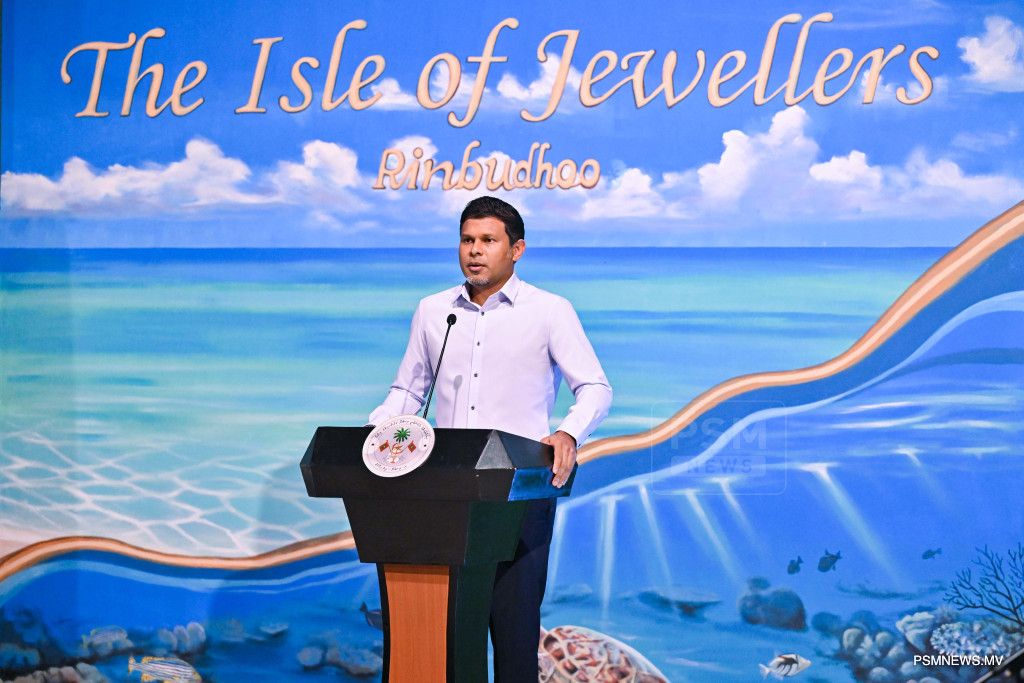
# ministaru alee shareefMinister of Climate Change, Environment and Energy Ali Shareef has called on developed nations to provide climate financing through grants rather than loans, arguing that small island countries should not be pushed deeper into debt to deal with the consequences of a crisis for which they bear little responsibility.
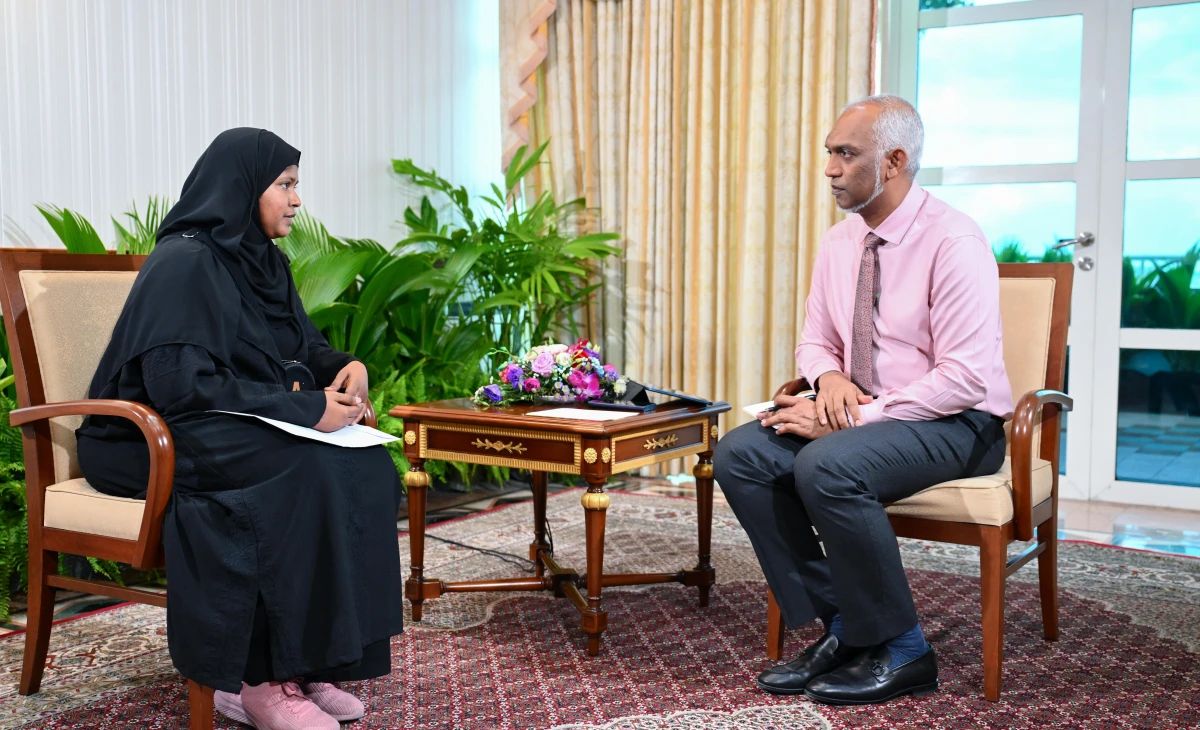
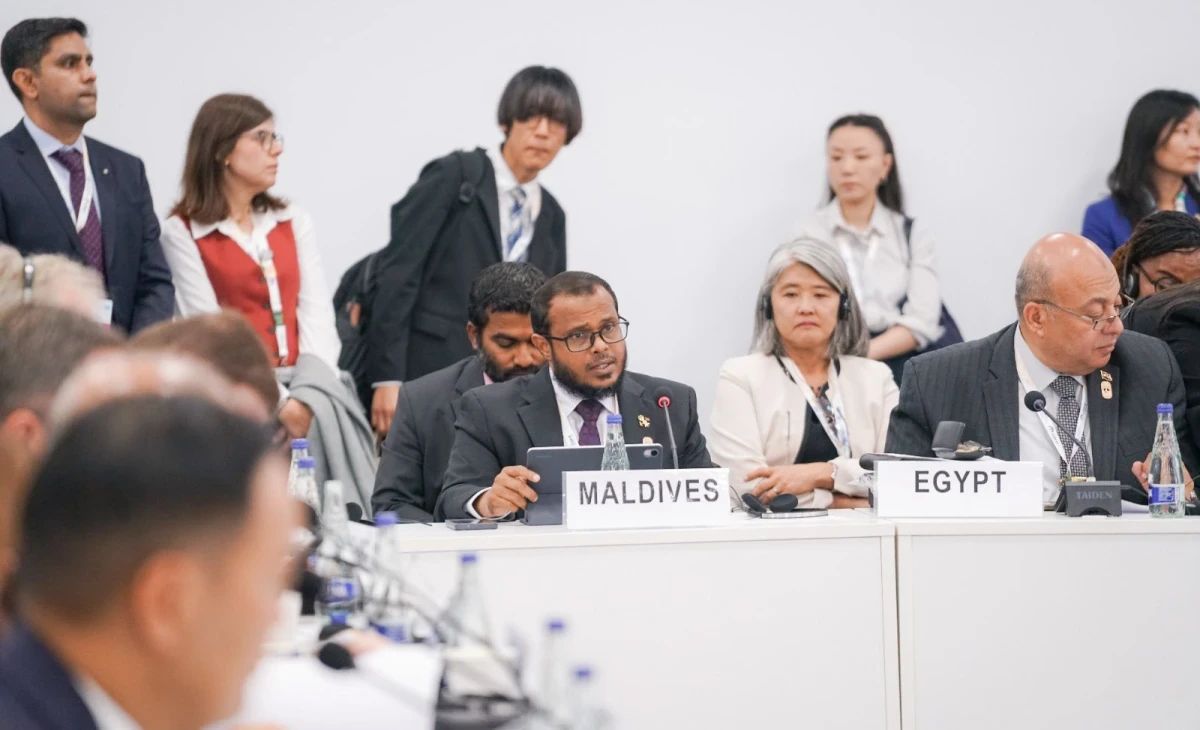
In an interview with Star News Global following the United Nations Climate Change Conference (COP31) in Antalya, Türkiye, Shareef outlined the Maldives’ position on international climate financing, renewable energy development and the long-term challenges posed by climate change.
The Minister said securing reliable and easily accessible financial assistance remains a major priority for the Maldives and other Small Island Developing States (SIDS). He stressed that international support must reflect the economic limitations and environmental vulnerabilities of island nations, many of which are already struggling with existing financial obligations.
Shareef explained that the Maldives is seeking grants and concessional financing that would enable the country to implement climate adaptation and mitigation measures without placing additional pressure on its national debt. He also emphasised the importance of making the Loss and Damage Fund fully operational to assist countries experiencing the consequences of climate change.
The Minister noted that the Maldives and India share a common position on the financial responsibilities of developed nations towards developing countries. He referred to Article 9.1 of the Paris Agreement, which requires developed countries to provide financial resources to assist developing nations with climate mitigation and adaptation efforts.
Access to affordable international financing has remained a significant challenge for the Maldives, particularly because of its classification as an upper-middle-income country. Despite this classification, the country's geographical characteristics, limited natural resources and exposure to climate-related threats make it particularly vulnerable.
Shareef welcomed the increasing recognition of the Multidimensional Vulnerability Index (MVI) within international financial institutions. Unlike conventional assessments based primarily on national income, the index takes into consideration the structural vulnerabilities of countries, potentially improving access to financial assistance for small island nations.
Government targets 33 per cent renewable electricity by 2028
Speaking about the Maldives’ domestic efforts to combat climate change, Shareef said the administration aims to generate 33 per cent of the country's electricity from renewable energy sources by the end of 2028.
Among the major initiatives planned to support this transition is Project Solar City, which includes the development of a 100-megawatt floating solar power project for the Greater Malé Region.
Expanding renewable energy production is particularly important for the Maldives, where electricity generation remains heavily dependent on imported fossil fuels. Reducing this dependence could help lower fuel import costs while contributing to the country's environmental commitments.
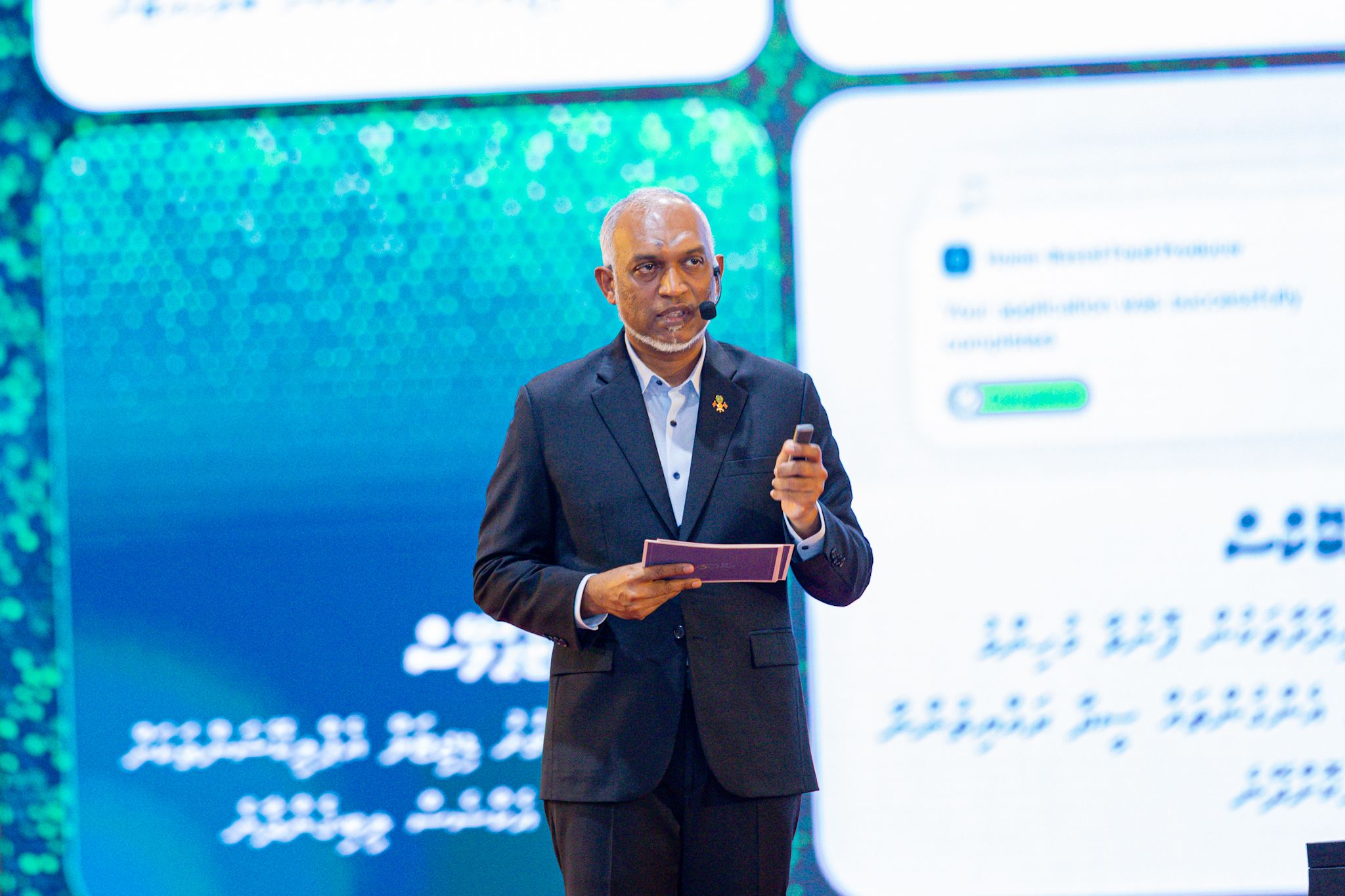
The Minister also highlighted progress under President Dr Mohamed Muizzu’s Five Million Trees Programme. More than 2.46 million trees had been planted across the country by October, bringing the nationwide initiative close to achieving half of its overall target.
Development and environmental protection must go hand in hand
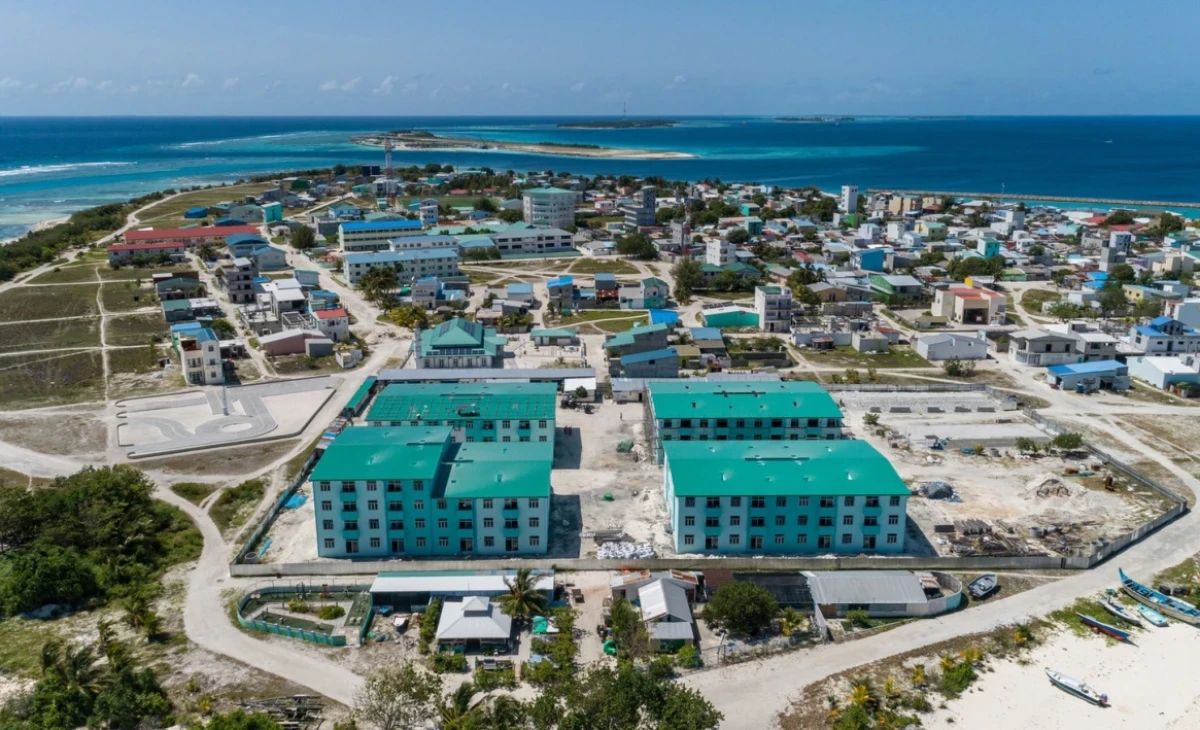
Responding to questions surrounding the environmental implications of large-scale infrastructure projects, including the Rasmalé development, Shareef maintained that economic development and environmental conservation need not come at the expense of one another.
He expressed the view that the Maldives could continue pursuing essential infrastructure development while fulfilling its environmental responsibilities.
The Minister also addressed the possibility of communities being displaced as a result of rising sea levels and other climate-related threats.
He said the Government's foremost responsibility is to ensure that Maldivians can continue living safely on their home islands. However, should circumstances make relocation unavoidable, any movement of communities must be voluntary, with residents provided access to safe islands equipped with adequate resources and facilities.
For the Maldives, where much of the population and critical infrastructure are situated on low-lying islands, rising sea levels, coastal erosion and extreme weather events present serious long-term challenges.
The country's position at COP31 reflects its continued call for greater international accountability, fairer access to climate financing and meaningful support for vulnerable nations facing the disproportionate consequences of global climate change.