
President Dr Mohamed Muizzu has pledged to address concerns surrounding the discontinuation of risk allowances for teachers working with children with special educational needs (SEN), assuring that the Government will work towards finding a prompt and lasting solution.
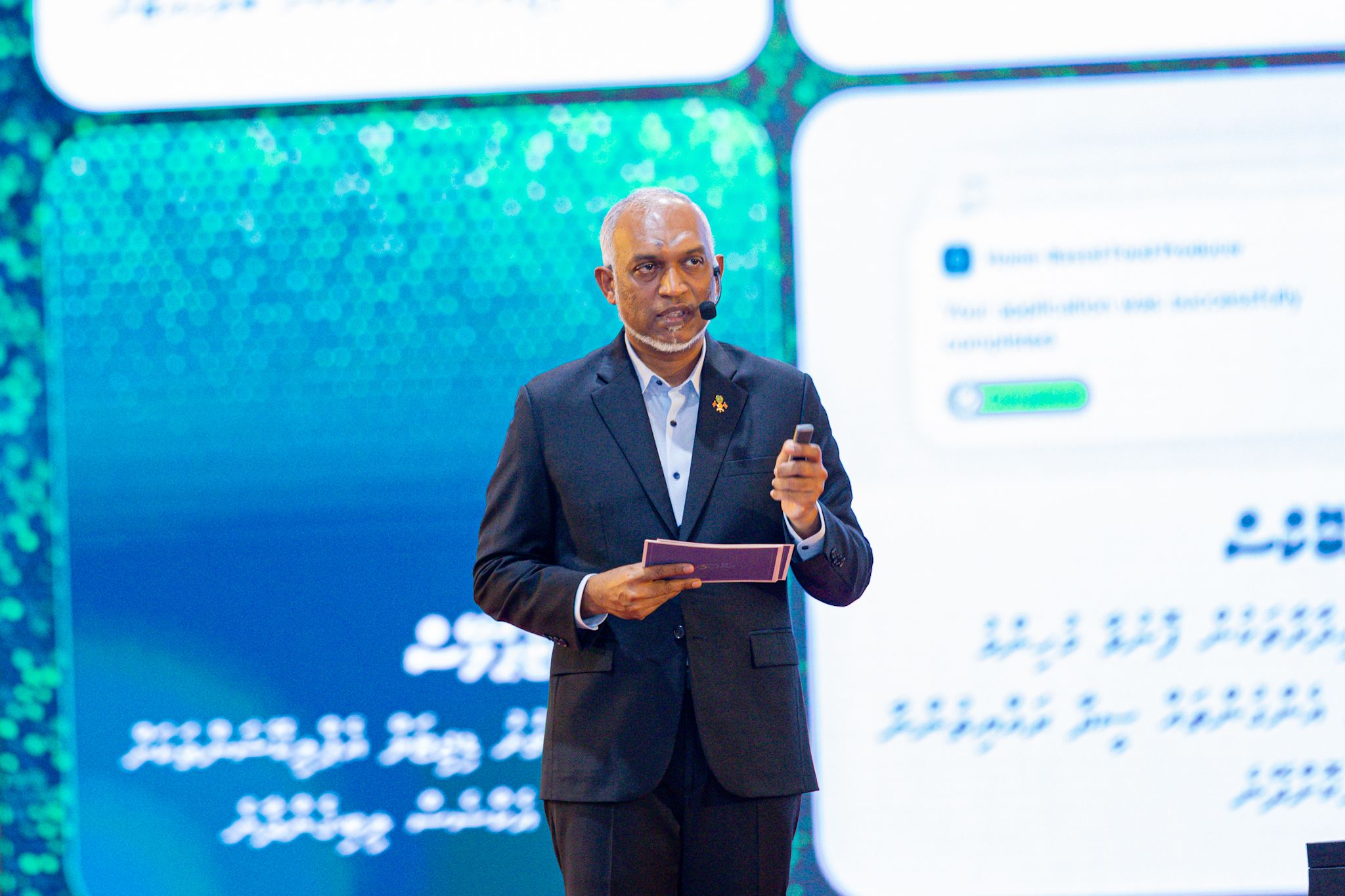
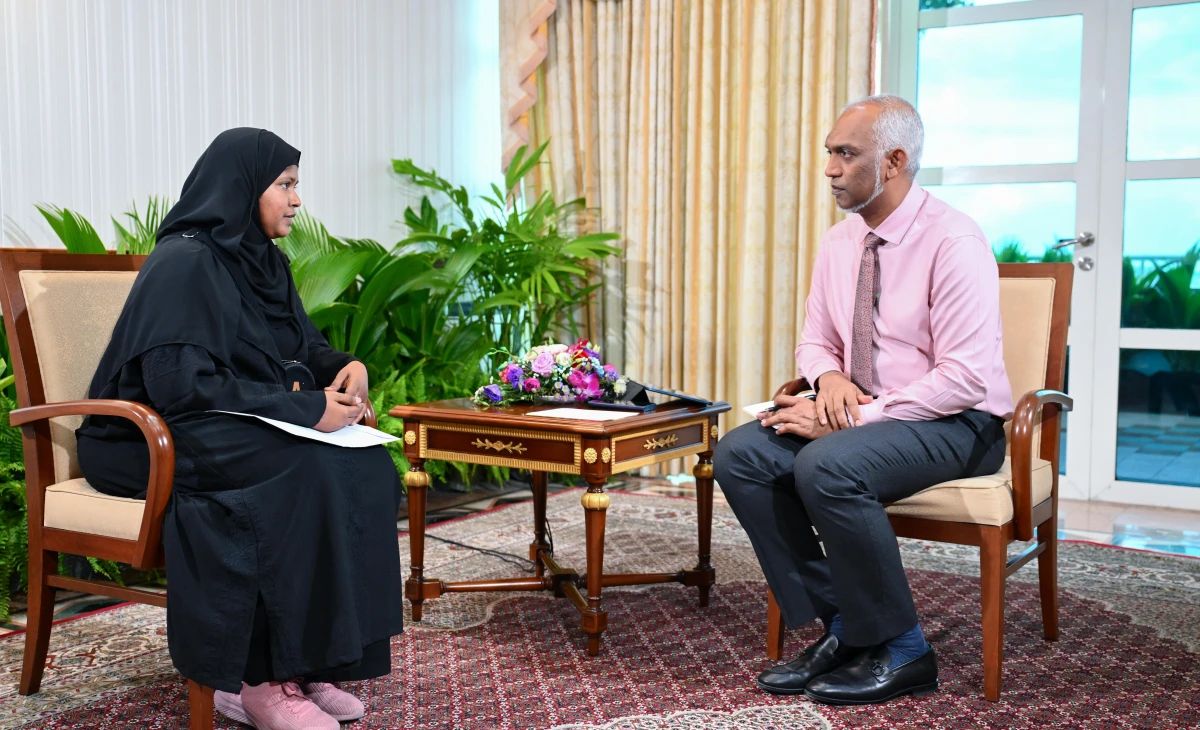
The President made the commitment during the Government’s Rayyithunge Adu programme after a teacher raised concerns about the difficulties faced by special education teachers following the introduction of the revised salary structure for educators.
Speaking during the programme, the teacher, who has been in the education sector for 15 years, shared her experience of working with children requiring specialised educational support. Having spent the first 10 years of her career teaching at primary level, she later moved into special education.
She explained that although she had opportunities to return to mainstream teaching, she decided to continue working in special education after gaining a deeper understanding of the struggles faced by children with special educational needs and their families.
Drawing attention to the shortage of qualified SEN teachers, she noted that the number of teachers available remains insufficient to meet the needs of students requiring specialised assistance. She also spoke about the considerable physical and emotional demands placed on educators working in the field.
One of the main concerns raised was the removal of risk allowances previously granted to SEN teachers. According to the teacher, the allowance was discontinued without prior notice when the revised teachers’ salary framework was introduced.
She also challenged suggestions that students receiving special educational support would be integrated into mainstream classrooms, pointing out that these students continue to receive instruction in separate SEN classrooms.
The teacher stressed that working in special education comes with a unique set of responsibilities and challenges, including psychological strain, physical demands and financial difficulties. She appealed to the Government to recognise the realities of the profession and take immediate steps to address the concerns of affected educators.
Beyond the challenges facing SEN teachers, she also expressed concern over changing habits among schoolchildren, particularly their declining interest in reading. She attributed this growing concern to increased screen time and exposure to social media, urging the authorities to introduce measures to protect the younger generation and encourage healthier habits.
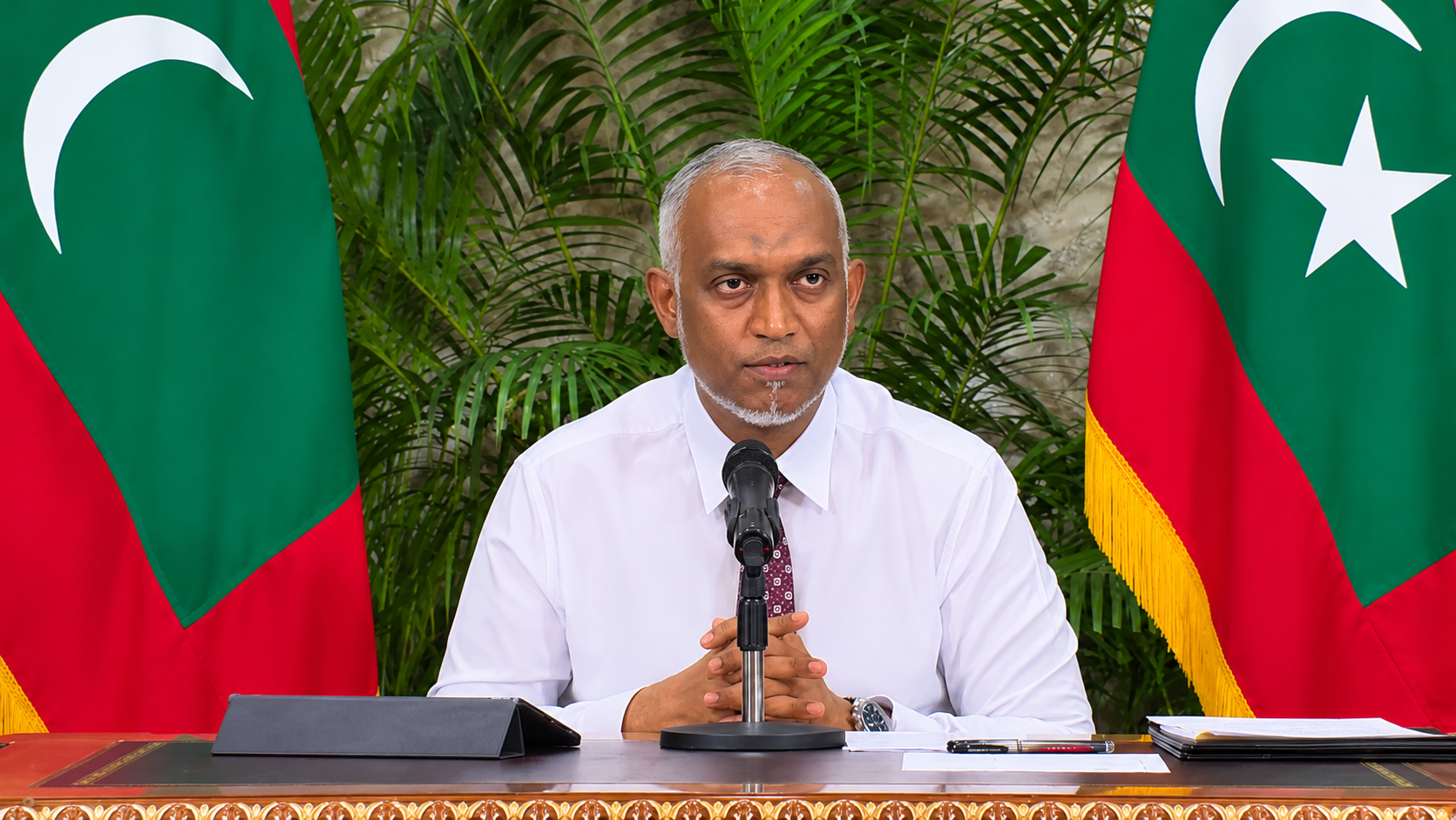
In response, President Muizzu assured that the administration would give due attention to the matters raised, particularly the concerns surrounding the removal of allowances for special education teachers.
The President said the Government would thoroughly examine the issues and work towards implementing solutions that would address the concerns in a timely and sustainable manner.
While the President committed to resolving the matter swiftly, no specific timeframe or details regarding the possible reinstatement of risk allowances were provided during the exchange, according to the information available.