
Rasmalé project crucial to transforming Maldives’ future, says Vice President
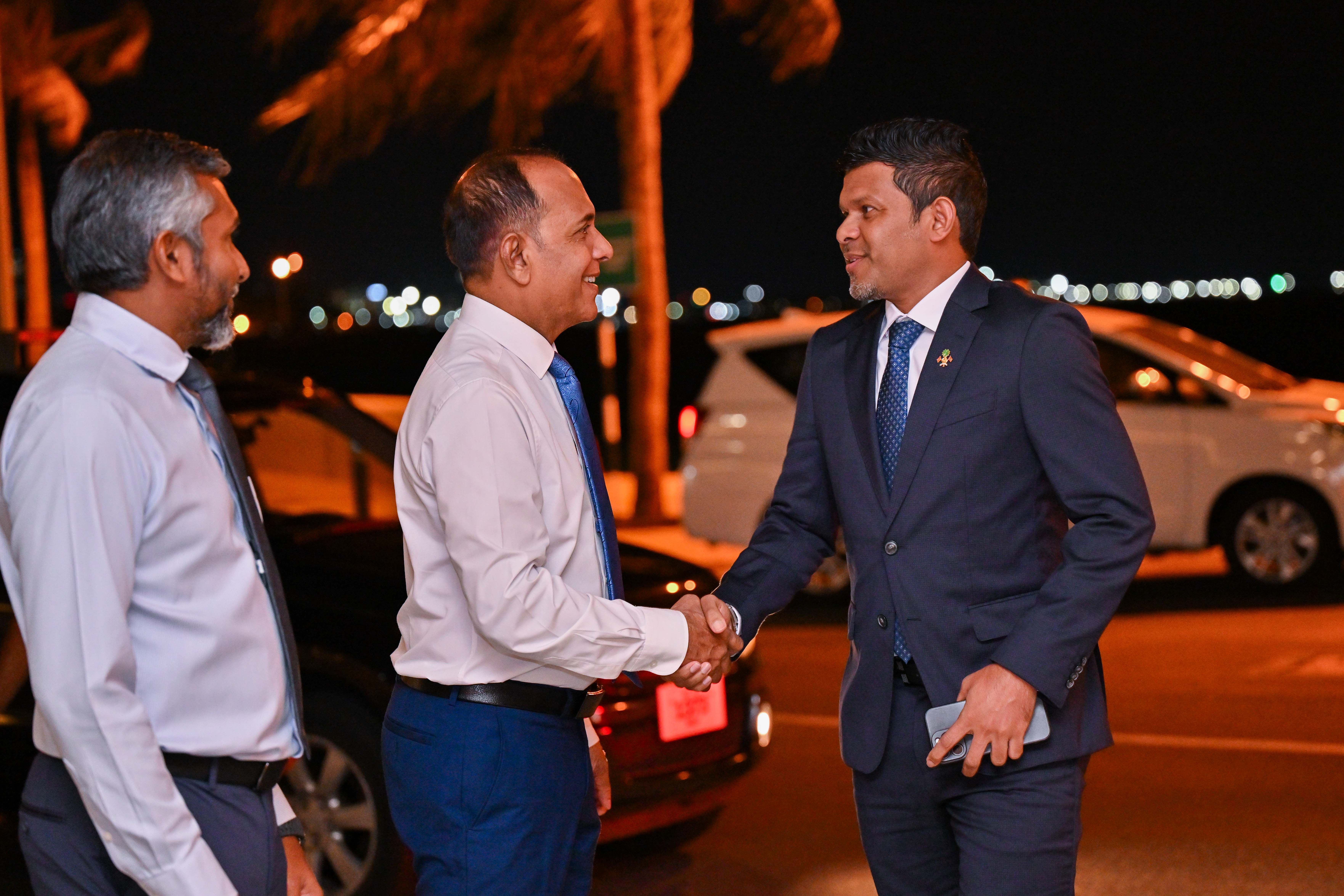
# Vice President HussainVice President Hussain Mohamed Latheef has defended the government's Rasmalé development project, describing it as an important undertaking to overcome the challenges facing the Maldives and create better opportunities for future generations.
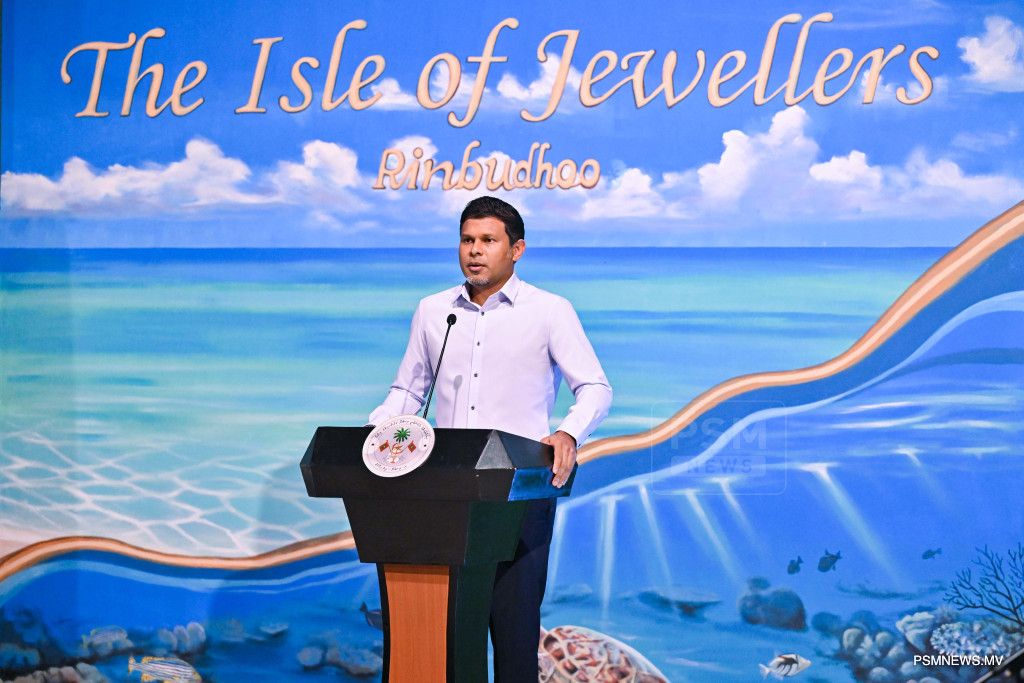
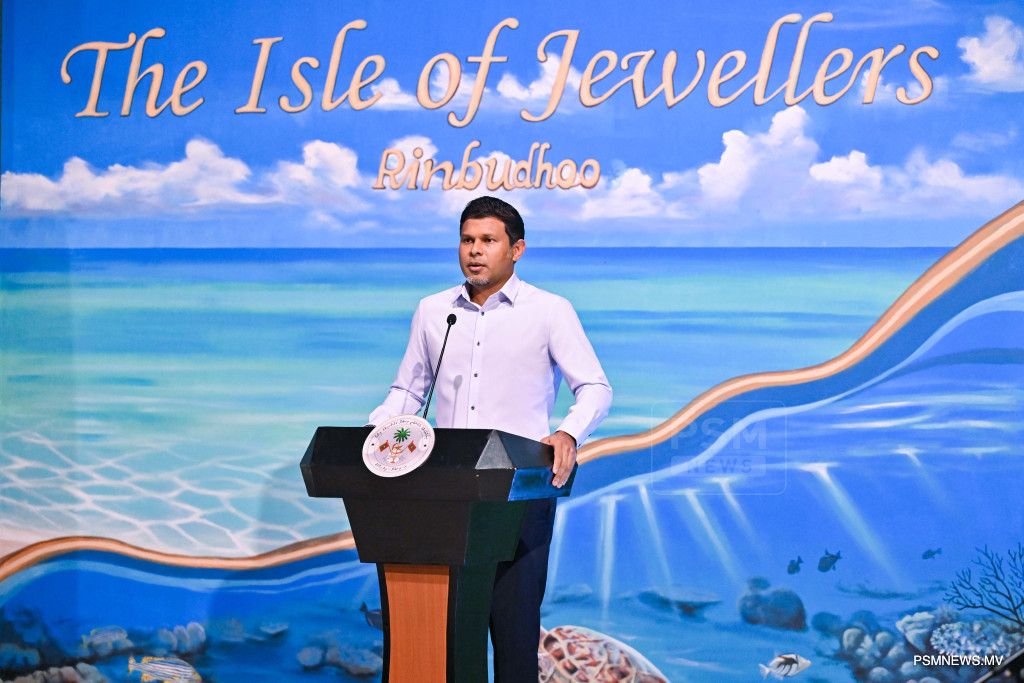
Speaking at the inauguration of Bandharu Hiya in Rin’budhoo, Dhaalu Atoll, the Vice President called for greater national unity in pursuing development, regardless of political differences. He said that while individuals may hold different political beliefs, the shared ambition should be to build a prosperous and developed nation.
Reflecting on the country's development over the years, Latheef noted that several attempts had been made by previous administrations to strengthen the Maldivian economy. However, he said political disagreements had often become obstacles to development, adding that the country continued to face similar challenges today.
The Vice President maintained that the Maldives could not overcome its existing challenges without pursuing major development initiatives such as Rasmalé, introduced under the administration of President Dr Mohamed Muizzu.
Rasmalé is among the government's flagship development projects, envisioned as a major urban development intended to address housing shortages and ease population pressure on the capital. The project also forms part of the administration's broader ambitions to expand economic opportunities and accommodate the country's long-term development needs.
Addressing concerns surrounding the project, Latheef said the legislation governing Rasmalé clearly establishes the scope of activities permitted within the development, as well as those that are prohibited. He urged politicians to exercise responsibility when discussing the initiative publicly and refrain from presenting information that could mislead citizens.
The Vice President also touched on the country's foreign policy, stating that the Maldives remains open to engagement with all countries except Israel. He credited President Muizzu with taking the initiative to legally restrict engagement with Israel and maintained that the President would not pursue any course of action that could undermine the country's interests or Islamic principles.
Latheef further criticised what he described as a culture of political opposition driven by personalities rather than the merits of individual development initiatives. He suggested that certain political groups were unwilling to support government projects simply because of who was in office.
Recalling the introduction of the Special Economic Zones (SEZ) Act, the Vice President said members of the then-opposition Maldivian Democratic Party (MDP) had alleged that the legislation was intended to allow the government of the time to remain in power indefinitely.
Rejecting such arguments, he pointed out that the Constitution clearly stipulates the duration of a presidential term and that an administration could not extend its tenure without the support of the people through the constitutional process.
His remarks come amid differing political views surrounding the government's development agenda, particularly its large-scale projects and their implications for the country's economic future.
Concluding his remarks, Vice President Latheef said President Muizzu remained committed to building a nation where citizens could live peacefully, securely and in harmony. He underscored the importance of looking beyond political divisions when pursuing initiatives intended to benefit the country in the long run.