
Middle East war puts unprecedented pressure on Maldives’ construction industry: Janah
# VisitMaldivesThe ongoing conflict in the Middle East has placed significant pressure on the Maldivian economy, with the country's construction industry facing challenges of an unprecedented scale, President of the Maldives National Association of Construction Industry (MNACI) Mohamed Ali Janah has said.
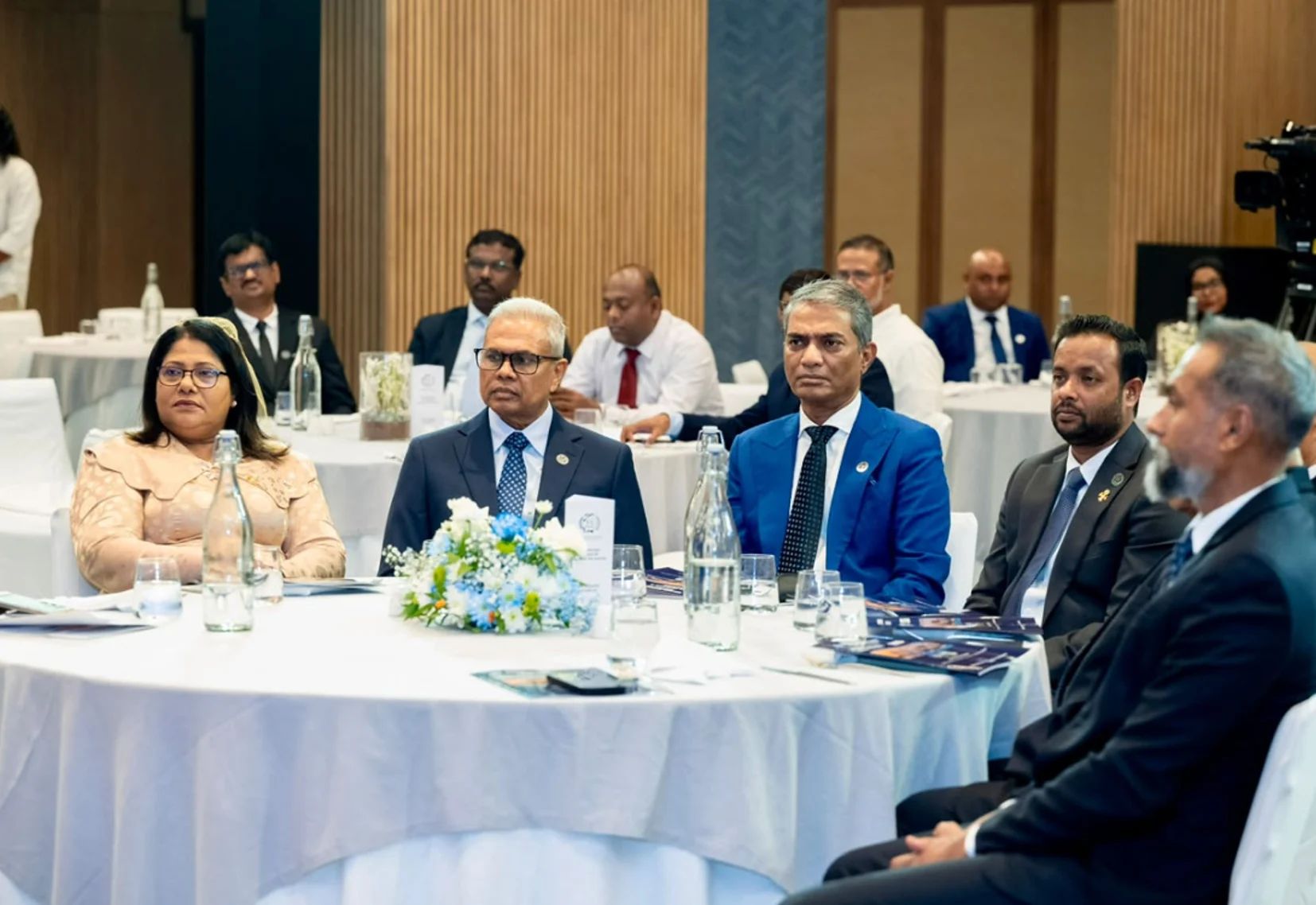
Janah made the remarks while addressing a ceremony held at Barceló Nasandhura to commemorate the 25th anniversary of the association, which represents businesses operating in the country's private construction sector.
Speaking at the event, Janah highlighted the vulnerability of the construction industry to global economic disruptions, noting that the sector has historically been among the hardest hit whenever the international community faces a major crisis.
He recalled the economic difficulties experienced during the Gulf War in 1990, the devastating Indian Ocean tsunami of 2004 and the global financial crisis of 2008, all of which presented considerable challenges to the Maldivian construction sector.
Janah attributed this vulnerability to the close relationship between construction and tourism, the country's largest economic industry. He explained that developments in the tourism sector have a direct bearing on construction activities, with economic setbacks in tourism inevitably affecting construction businesses, while growth in the sector creates new development opportunities.
However, he noted that the difficulties arising from the current global situation are considerably more severe than those experienced during previous crises in recent history.
Construction material prices rise by 42 percent
Janah, who also serves as the Principal Advisor to the President on Trade and Investment, said the ongoing conflict in the Middle East has driven up international fuel prices, resulting in higher commodity prices and mounting transportation costs.
The situation has been further aggravated by disruptions to the international movement of goods, making the procurement and transportation of construction materials increasingly difficult.
According to Janah, construction material prices on the international market have risen by 42 percent compared with previous levels.
The increase presents a particularly serious challenge for the Maldives, given the country's heavy reliance on imported construction materials. Rising international prices, coupled with higher freight charges and logistical difficulties, place additional financial pressure on contractors and developers undertaking projects across the country.
Such increases can also affect project budgets, construction timelines and the ability of businesses to complete developments within previously agreed financial arrangements.
Foreign currency shortage adds to industry challenges
In addition to external economic pressures, Janah highlighted difficulties in obtaining foreign currency within the Maldives as another major concern for construction businesses.
With much of the equipment and raw materials required for construction sourced from overseas, access to foreign currency remains essential to the industry's operations. Difficulties in securing foreign exchange, combined with rising international prices, have contributed to substantial financial losses within the sector, he said.
Despite these challenges, Janah expressed appreciation for entrepreneurs and businesses that continue to sustain their operations under increasingly difficult economic circumstances.
He acknowledged the resilience of those working within the industry, noting that their continued efforts deserve recognition, particularly at a time when businesses are grappling with both domestic and international economic pressures.
MNACI marks 25 years of representing the construction sector
Reflecting on the association's achievements over the past 25 years, Janah said representing the concerns of construction businesses and working with successive governments to address industry-wide challenges had remained central to MNACI's mandate since its establishment.
He said the association has consistently worked to bring the difficulties experienced by private construction companies to the attention of relevant government authorities and to identify practical solutions through engagement and cooperation.
Janah reaffirmed the association's commitment to continuing these efforts as the industry navigates the current economic uncertainty.
The construction sector remains an important contributor to the Maldivian economy, supporting tourism infrastructure, housing developments, public infrastructure projects and employment opportunities.
With rising material prices, international supply chain disruptions and persistent foreign currency constraints placing considerable strain on businesses, the ability of the construction industry to withstand these pressures will have broader implications for the country's economic growth and development.