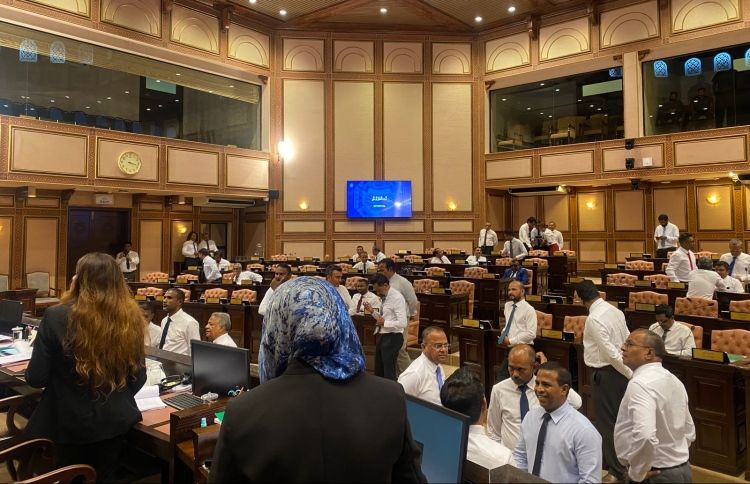

The Maldives Parliament on Tuesday passed the state budget for 2027, approving a total expenditure of USD 3.87 billion for the coming year.
The budget was passed with 65 lawmakers voting in favour and 13 voting against, following consideration of 23 amendments put forward by members of Parliament.
Next year's budget is USD 291.83 million lower than the USD 4.16 billion approved for 2026. Despite the reduction in expenditure, the government expects an increase in revenue and grants, with collections projected to reach USD 2.80 billion, an increase of USD 90.79 million compared to this year.
The Budget Committee, formed jointly by Parliament's Public Accounts Committee and Economic Affairs Committee, endorsed the proposed budget on 19 November without making any changes to the original submission by the Ministry of Finance and Public Enterprises.
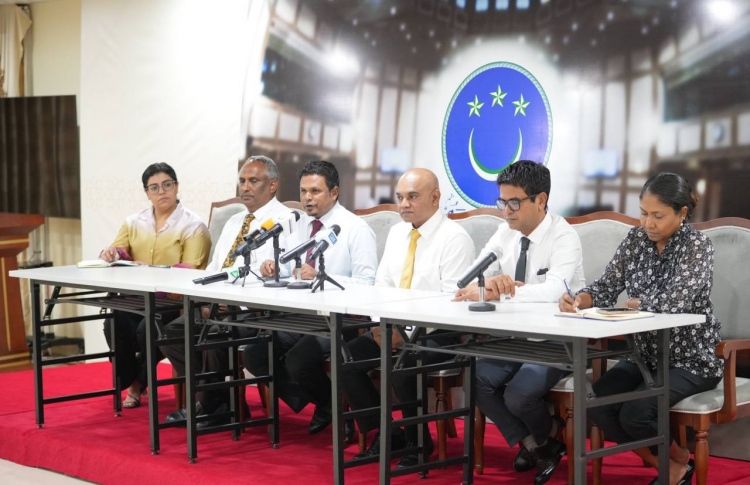
The motion to approve the budget was moved by MP Abdulla Shareef and seconded by MP Ahmed Zameer, receiving the support of 10 committee members.
The committee's report was subsequently presented to Parliament by its Vice Chairperson, Ali Fazad. Under arrangements made by the General Purpose Committee, lawmakers were given seven minutes each to share their views during the budget debate.
Speaking during the debate, several lawmakers highlighted the allocations made for healthcare, social protection and development across the atolls. They maintained that the budget addresses the needs of communities throughout the country without leaving any island or atoll behind.
Members also expressed optimism that the planned expenditure would help improve living standards and address the everyday concerns of citizens.
Another key focus of the discussion was the completion of existing development projects. Lawmakers noted that funding under the Public Sector Investment Programme (PSIP) prioritises ongoing projects across the islands.
The 2027 budget directs government spending towards 10 major areas, covering healthcare, economic and industrial development, debt servicing, defence and justice, education, public services, social security, housing, community welfare and environmental protection.