
U.S. issues Level 3 travel advisory for Saudi Arabia amid missile, drone and terrorism risks
# USA# Saudi Arabia# YamenThe United States has renewed its travel advisory for Saudi Arabia, urging Americans to reconsider travel to the Kingdom because of security risks linked to armed conflict, potential Iranian drone and missile attacks, terrorism, exit bans and Saudi Arabia’s strict laws concerning social-media activity.
The U.S. Department of State issued the latest update on September 15, 2026, maintaining Saudi Arabia at Level 3 — “Reconsider Travel.” The advisory carries the risk indicators Terrorism and Other.
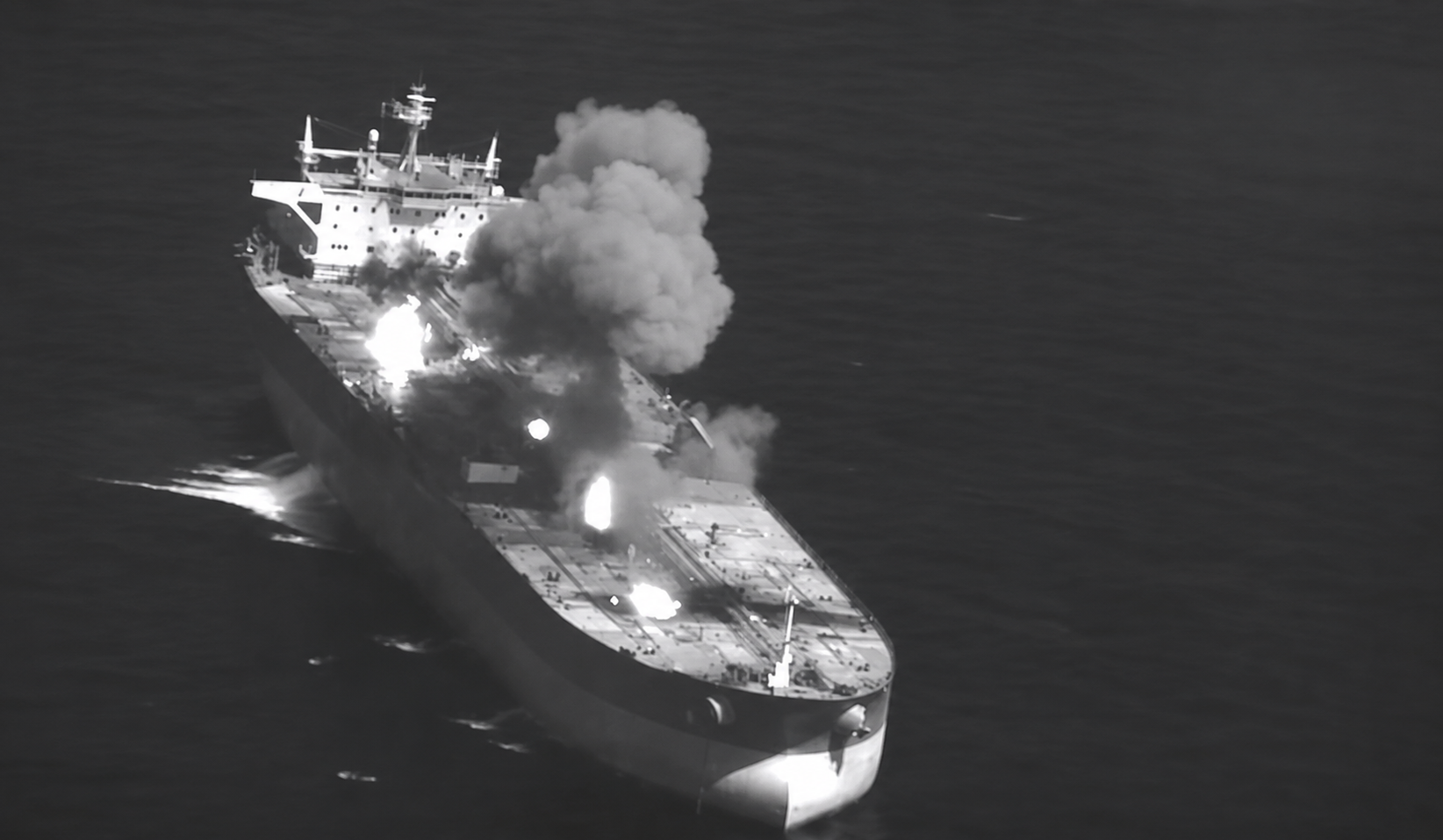
Drone and missile threat
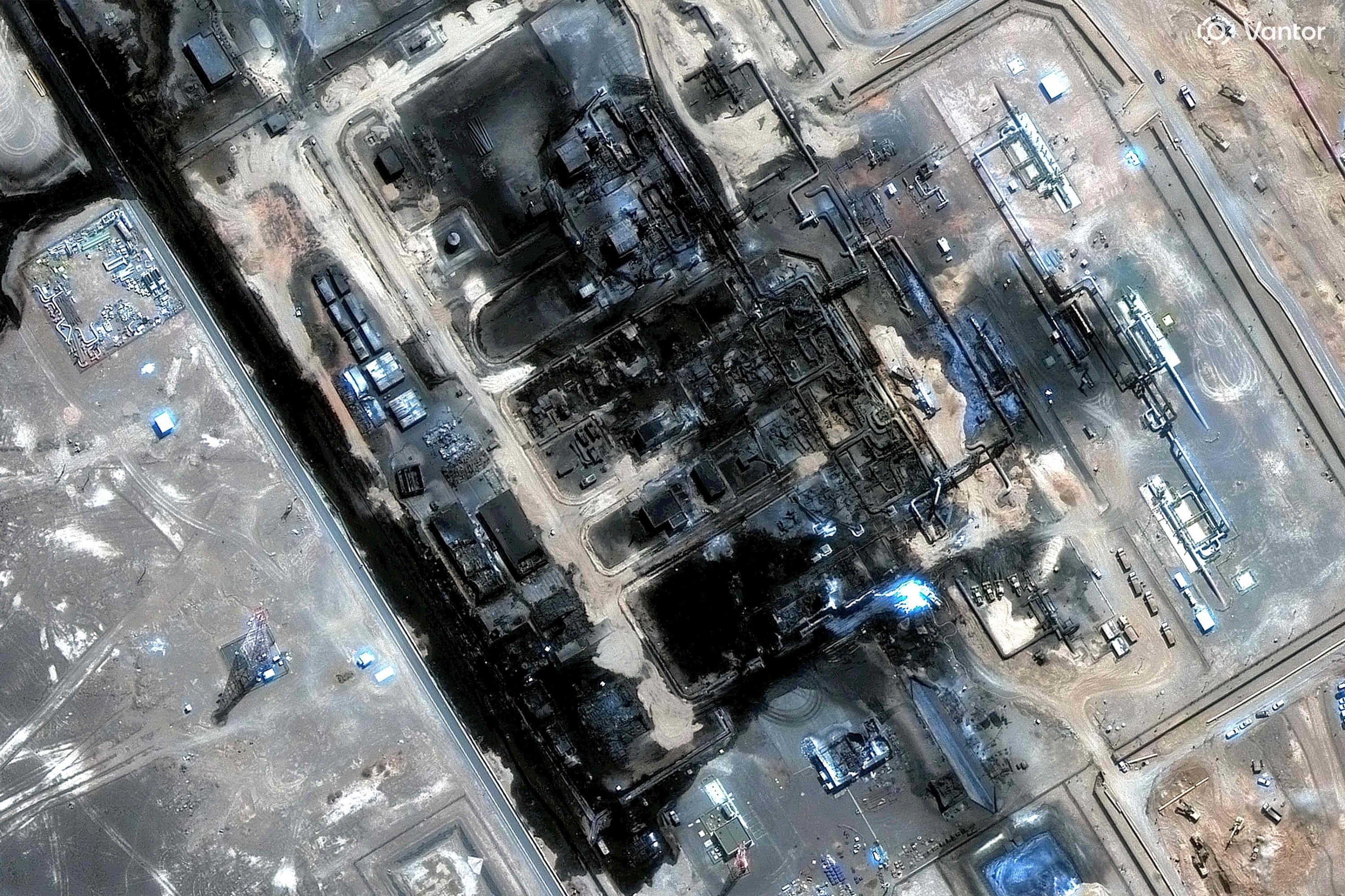
According to the State Department, the security situation follows the outbreak of hostilities between the United States and Iran on February 28, 2026. Washington says there remains an ongoing threat of drone and missile attacks from Iran.
Commercial flights from Saudi Arabia remain operational, but the U.S. government warns that flights have experienced significant disruptions at times because of the wider regional security situation. Travelers are advised to monitor their airlines and official aviation information before and during their journey.
The warning comes amid a broader U.S. assessment that the security environment in the Middle East remains volatile. In a worldwide caution issued in July, the State Department warned Americans in the region to be prepared for possible flight cancellations, temporary airspace closures and other travel disruptions.
Yemen border placed under “Do Not Travel”
While Saudi Arabia as a whole remains at Level 3, the U.S. has assigned a Level 4 — “Do Not Travel” warning to the area along the Yemen border.
The State Department says armed groups in Yemen have previously attacked Saudi border areas and other locations using drones, missiles and rockets. It considers people near the border to face an increased security risk.
U.S. government employees working in Saudi Arabia are prohibited from traveling within 20 miles of the Yemen border. They also face restrictions on non-essential travel to Qatif and require special authorization to travel to the provinces of Jizan, Asir, Najran and Qatif.
Terrorism concerns
The advisory also warns of the possibility of terrorist violence and terrorist activity inside Saudi Arabia.
The State Department advises travelers to remain alert, particularly in crowded locations and tourist areas, and to follow instructions issued by Saudi authorities.
Warning over social-media activity
The United States is also highlighting Saudi Arabia's laws governing online activity.
The advisory warns that social-media posts, comments, shares or likes that Saudi authorities consider critical or controversial can potentially result in arrest. This may include material relating to Saudi Arabia, its government or leaders, religion, political issues, other countries' laws or politics, and individual citizens.
The State Department recommends that travelers review their social-media accounts and devices before traveling and remove sensitive material that could potentially create legal problems under Saudi law.
Exit bans can prevent travelers from leaving
The advisory further warns Americans that Saudi authorities can impose exit bans, potentially preventing a person from leaving the country.
According to the State Department, such restrictions can arise from unpaid bills, bounced checks, criminal investigations, employment disputes, lawsuits, child-custody matters or family disagreements.
Travelers urged to understand local laws
The U.S. government also reminds travelers that several items and activities that may be legal elsewhere are prohibited or heavily restricted in Saudi Arabia.
The advisory states that alcohol, marijuana, cannabis and CBD products are illegal, with severe criminal penalties possible. Certain prescription medicines may also require prior approval before being brought into or taken out of Saudi Arabia.
The importation of items including pornography, pork products, firearms, ammunition and hidden cameras is prohibited.
Travelers are also advised to avoid illegal drugs and to respect Saudi public-decency regulations and local customs.
U.S. government personnel restrictions updated
The September 15 update did not change Saudi Arabia's overall Level 3 advisory, but the State Department updated its summary to reflect additional restrictions applying to U.S. government employees.
The latest advisory says that, as of August 30, family members may join U.S. government employees working in Saudi Arabia. However, government employees continue to face specific restrictions on travel to several higher-risk areas.
U.S. advises travelers to prepare
The State Department recommends Americans traveling to Saudi Arabia:
- Keep passports and travel documents accessible and up to date.
- Monitor developments and remain aware of their surroundings.
- Avoid large crowds when security conditions warrant.
- Follow instructions from Saudi authorities.
- Check airline operations before traveling.
- Review Saudi laws and customs before arrival.
- Consider comprehensive travel insurance, including medical coverage, evacuation assistance and trip-cancellation protection.
Americans traveling in the Middle East are also encouraged to enroll in the Smart Traveler Enrollment Program (STEP) to receive security alerts from U.S. diplomatic missions.
Advisory does not mean Saudi Arabia is closed to U.S. travelers
The U.S. advisory does not classify all of Saudi Arabia as a “Do Not Travel” destination. Rather, the country remains at Level 3, meaning the State Department recommends that Americans reconsider travel because of the identified risks. The Yemen border is separately classified at Level 4.
The latest update therefore represents a warning about the current security environment and potential disruptions, rather than a blanket prohibition on travel to Saudi Arabia.
Latest advisory: September 15, 2026Overall level: Level 3 — Reconsider TravelRisk indicators: Terrorism; OtherYemen border: Level 4 — Do Not Travel





%20(3).jpeg?w=3840&q=75)