
Government Proposes Civil Liability for Defamation as Reputation Protection Bill Enters Parliament
# President Muizzu-
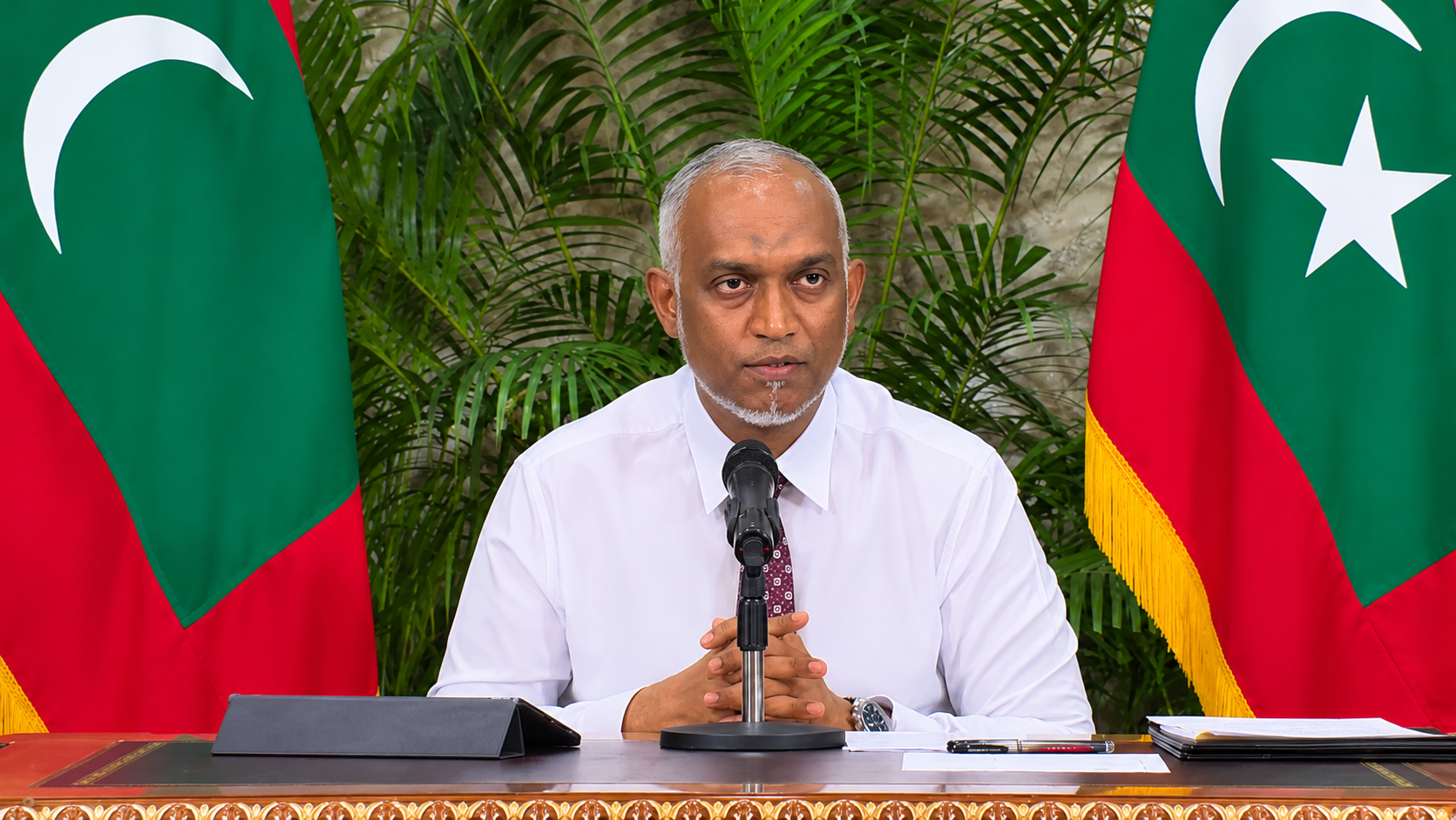
Circulating and publishing false information targeted at specific individuals constitutes defamation and infringes upon personal dignity, President Dr Mohamed Muizzu asserted today, endorsing a newly submitted government bill designed to establish civil liability for defamation and uphold constitutional safeguards for individual reputation.
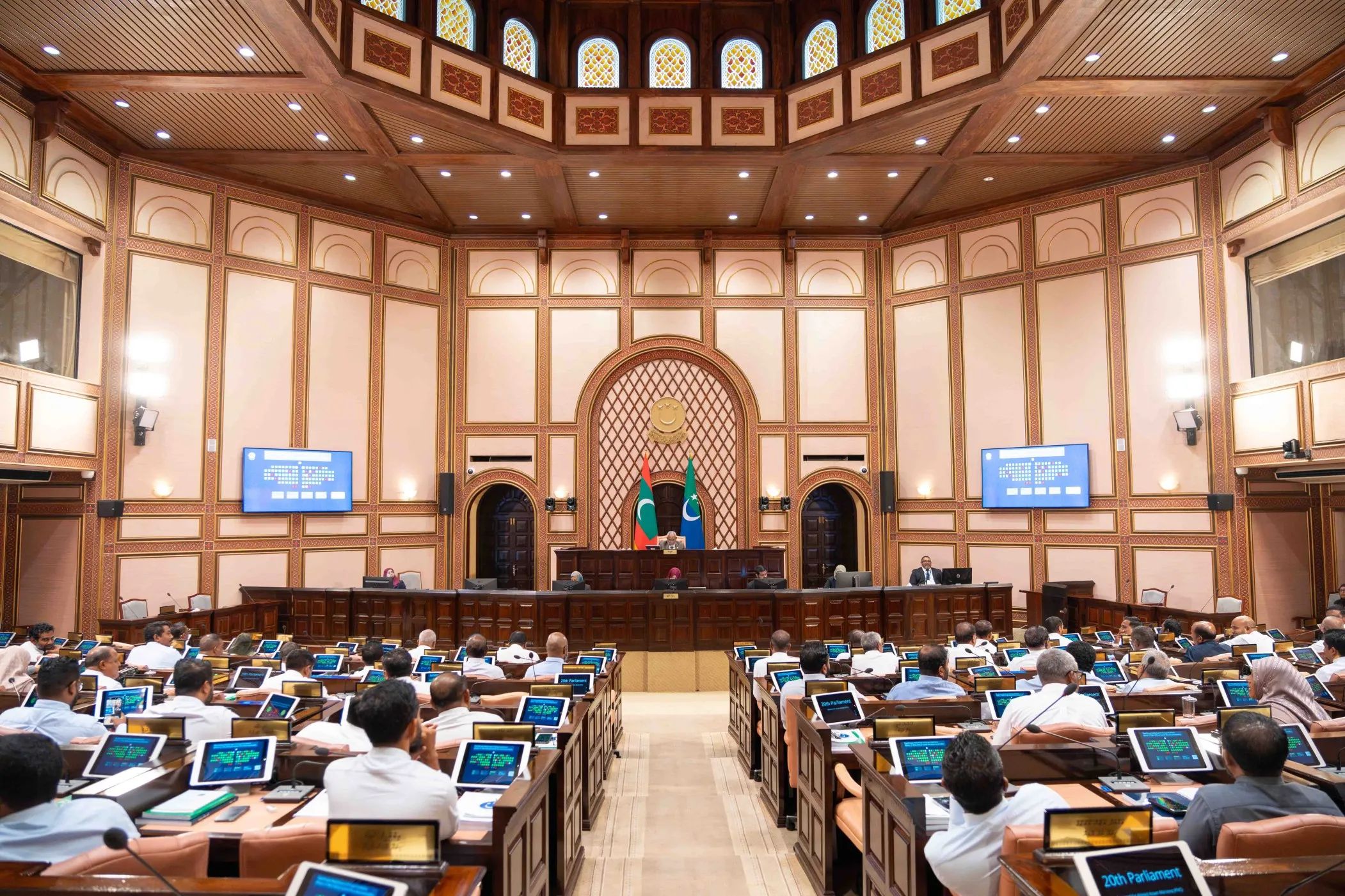
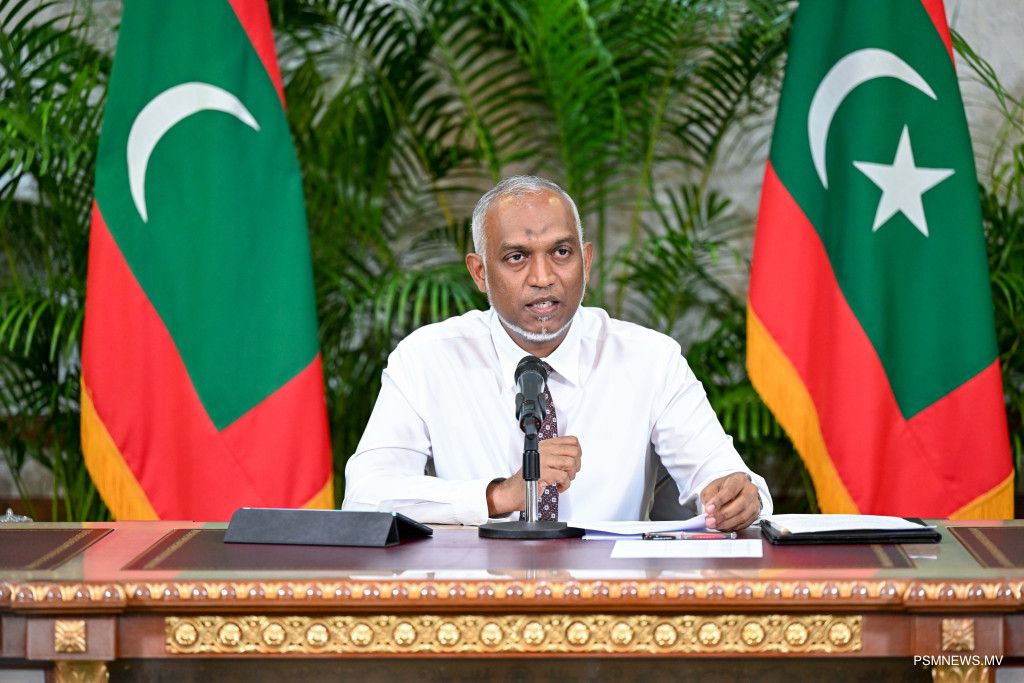
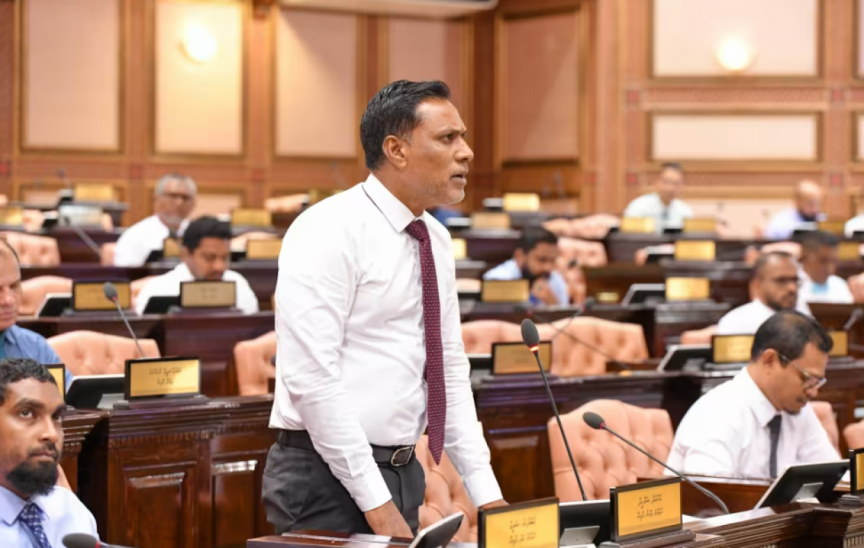
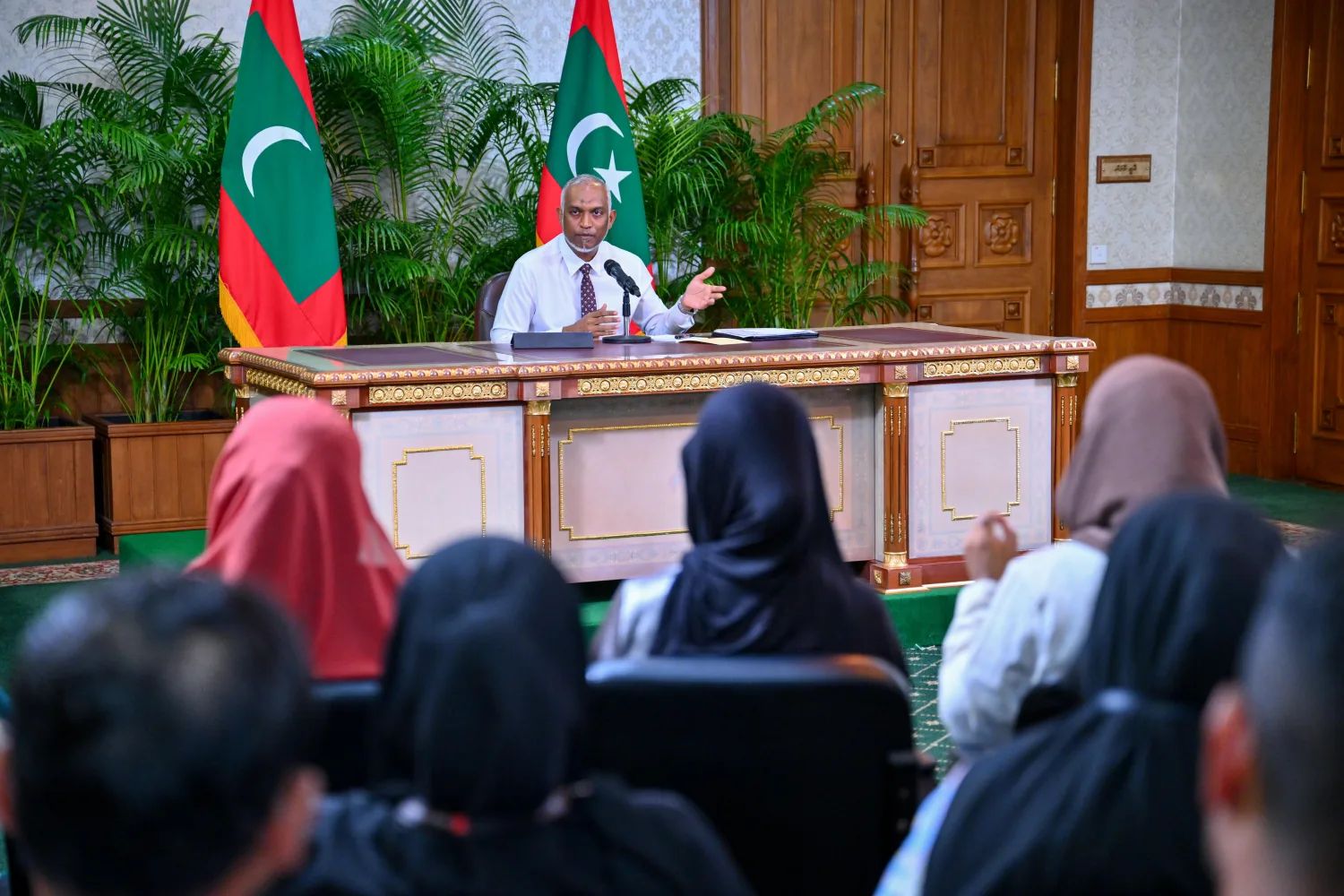
President Dr Mohamed Muizzu addressed the matter during a press conference held at the President's Office, coinciding with the submission of the Protection of Name and Reputation Bill to the People's Majlis. The government-sponsored bill was introduced by Mohamed Ismail, Member of Parliament for the Vilimalé constituency, with its first reading scheduled for today's parliamentary sitting.
President Muizzu explained that the primary purpose of defining defamation as a civil offense under the proposed legislation is to safeguard the good name and reputation of individuals. Emphasizing the broader moral and social context, the President noted that defamation is strictly prohibited in Islam, underscoring that spreading fabricated narratives directly undermines human dignity and that society has a collective duty to protect each other’s reputation.
Highlighting the legal and social consequences of slander, President Muizzu stated:
The proposed legislation is anchored in Article 33 of the Constitution of the Republic of Maldives, which guarantees every citizen the right to the protection of their name and reputation.
The bill seeks to strike a fair and necessary balance between the fundamental right to freedom of expression and the protection of individual dignity. Under its framework, victims of defamation are granted the clear legal right to demand public clarification, exercise a right of reply, and secure corrections.
Furthermore, the bill defines what constitutes defamatory conduct, outlines scenarios and conditions that fall under defamation, establishes procedures for requesting formal apologies and financial settlements, and sets out legal mechanisms for aggrieved parties to seek damages and claim compensatory relief through the judicial system.