
FIA Tweaks Energy Rules And Qualifying Approach Ahead Of Japanese GP
 Sports
Ahmed Reehan
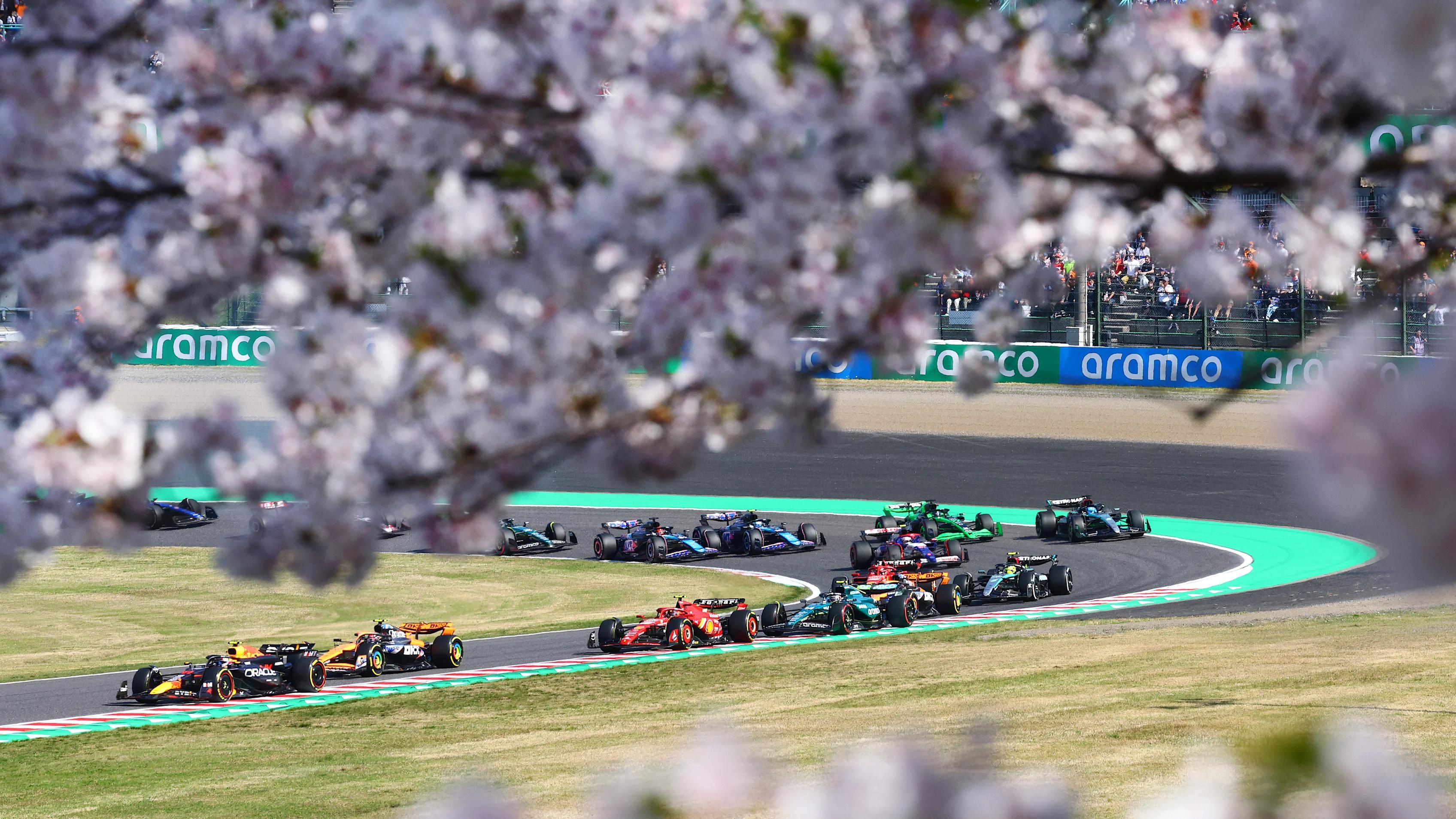
Formula 1 is set for important regulatory adjustments at the Japanese Grand Prix, with the FIA introducing energy management tweaks and reviewing qualifying behaviour following early season concerns with the new 2026 cars.
The changes come after criticism from drivers and teams over how the new hybrid power units are affecting racing, particularly the heavy reliance on energy harvesting and deployment.
One of the main issues has been how drivers are forced to manage battery energy throughout a lap, sometimes lifting off the throttle in unusual places to recharge. This has led to concerns about both racing quality and safety, especially during qualifying sessions where cars can appear to slow unexpectedly on track.
To address this, the FIA has introduced adjustments to energy deployment and harvesting systems for Suzuka. The aim is to create a better balance so drivers can use their electrical power more consistently, rather than in short bursts that disrupt racing flow.
Among the solutions being considered or implemented:
- Tweaks to how energy is harvested during braking and lift-off phases
- Potential adjustments to maximum deployment levels
- Changes to reduce excessive “super clipping” and make power delivery smoother
At the same time, attention has also turned to qualifying sessions. Under the current rules, drivers managing energy have been seen backing off significantly during laps, creating dangerous speed differences between cars. As a result, the FIA is pushing for stricter control and cleaner execution of qualifying laps to avoid unpredictable situations on track.
These issues stem from the major 2026 regulation overhaul, where power units now rely far more on electrical energy, with roughly a 50-50 split between combustion and battery power. This shift has made energy strategy a central part of performance, but also introduced unintended side effects in racing behaviour.
FIA officials have stressed that these are not drastic rule changes, but targeted adjustments based on early season data, with further refinements possible as more races are completed.
The Japanese Grand Prix at Suzuka will now serve as a key test for whether these tweaks improve racing, as Formula 1 continues to fine tune its new era of cars in real time.
With teams still learning how to maximise performance under the new regulations, Suzuka could offer the clearest picture yet of how the 2026 cars will evolve over the season
 Sports5/25/2026 Antonelli Wins Dramatic Canadian Grand Prix As Russell Retirement Swings Title Fight
 Sports5/23/2026Russell Holds On To Win Thrilling Canada Sprint As Antonelli Clash Ignites Title Rivalry
 Sports5/23/2026Silver Arrows Rule Montreal: Antonelli Tops Wild FP1 As Russell Strikes Back In Sprint Qualifying
.jpg&w=3840&q=75) ކުޅިވަރު5/21/2026Club Matrix Crowned Milo Netball Association Champions for Sixth Consecutive Time
ކުޅިވަރު5/21/2026Club Matrix Crowned Milo Netball Association Champions for Sixth Consecutive Time